




What's Happening?
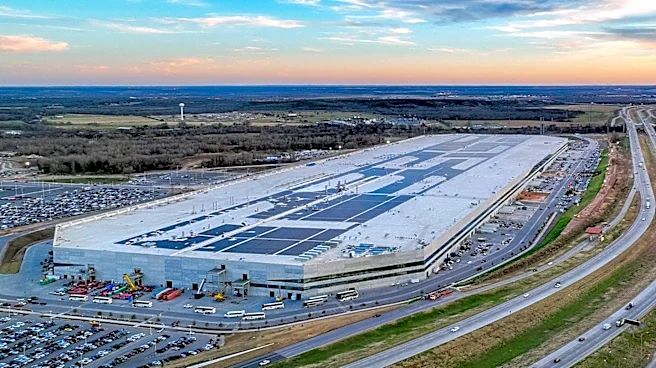
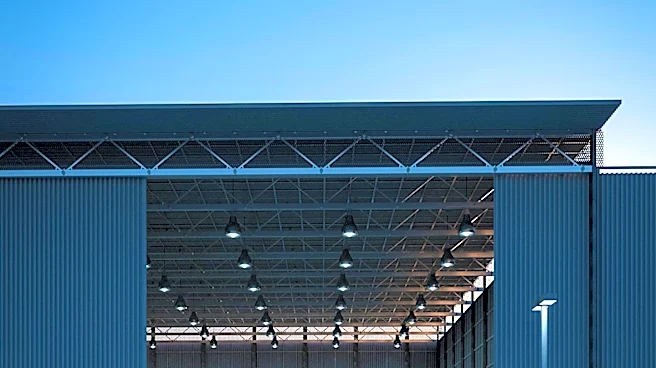
Northrop Grumman, in collaboration with the state of Utah and Layton City, has officially opened the East Gate 3 facility in Layton. This new 845,000-square-foot campus is dedicated to supporting the manufacturing of the United States Air Force’s B-21
Raider, the next-generation stealth bomber. The decision to accelerate B-21 production, announced earlier this year by the Air Force, necessitates expanded infrastructure, making facilities like East Gate 3 critical for program growth. Chris Adams, vice president and general manager of the B-21 Program at Northrop Grumman, emphasized that this facility is one of several being developed nationwide to support the program. The company highlighted Utah's skilled workforce as a key asset in delivering this advanced capability efficiently. This opening follows another significant milestone for Northrop Grumman in the region, with a groundbreaking in July for the Legacy Building at the Roy Innovation Center, which supports the Sentinel ICBM program.
Why It's Important?
The establishment of the East Gate 3 facility underscores a significant investment in U.S. defense capabilities and manufacturing infrastructure. The B-21 Raider is poised to define U.S. strategic air power for decades, and its accelerated production reflects national security priorities. This development creates high-skilled jobs in Utah, contributing to the state's economy and reinforcing its role as a hub for advanced aerospace manufacturing. The program has been lauded by government officials and members of Congress as one of the best-executed defense initiatives in recent decades, signaling confidence in its design, quality, and management. The facility's role in producing key components for the B-21 directly supports the U.S. Air Force's modernization efforts and its ability to maintain air superiority.
What's Next?
Northrop Grumman is on track to deliver the first B-21 Raider aircraft to Ellsworth Air Force Base in 2027, marking a crucial step towards integrating the new bomber into the U.S. arsenal. The continued expansion of manufacturing facilities, including East Gate 3, indicates a sustained effort to ramp up production and meet the Air Force's operational timelines. Further investments in infrastructure and workforce development are anticipated as the B-21 program progresses. The success of this program could also influence future defense procurement strategies, potentially encouraging similar public-private partnerships and regional manufacturing hubs for other advanced military projects. The focus will remain on efficient production and timely delivery to enhance national defense capabilities.
Beyond the Headlines
The B-21 Raider program represents a broader strategic shift towards advanced, stealth-capable platforms designed to operate in contested environments. The emphasis on domestic manufacturing, particularly in states like Utah, highlights a commitment to strengthening the U.S. industrial base and reducing reliance on foreign supply chains for critical defense technologies. This initiative also reflects the evolving nature of warfare, where technological superiority and rapid deployment of advanced systems are paramount. The program's success could serve as a model for future defense acquisitions, demonstrating how effective program management and strategic investments in infrastructure can accelerate the delivery of complex military assets. It also underscores the long-term economic impact of defense spending on local communities and the national workforce.