



What's Happening?
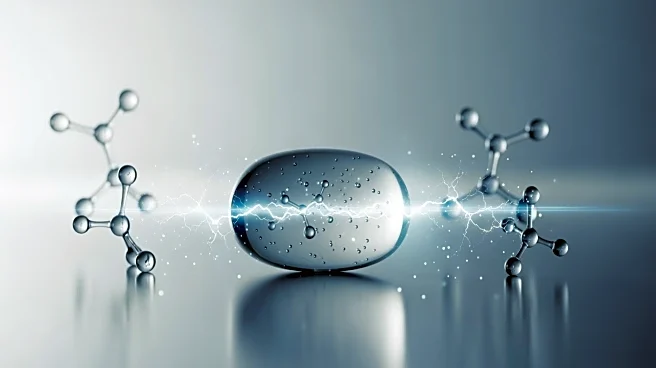
Researchers led by Youqing Shen have developed a polyelectrolyte vehicle that utilizes the skin's pH gradient to improve transdermal insulin delivery. The innovation involves a pH-responsive polymer, OP, which transitions from cationic to neutral as it moves
through the skin's layers. This allows for efficient diffusion and systemic circulation of insulin without intracellular degradation. The study, published in Nature, highlights the potential for this method to enhance non-invasive insulin administration.
Why It's Important?
This development represents a significant advancement in diabetes management, offering a potential alternative to traditional insulin injections. By improving the efficiency of transdermal delivery, the technology could enhance patient compliance and quality of life. The approach also underscores the broader potential for pH-responsive materials in drug delivery systems, which could revolutionize treatment protocols for various conditions.