




What's Happening?
A series of wildfires in the southeastern United States have led to significant destruction and loss of life. In Florida, a volunteer firefighter named James 'Kevin' Crews died from a medical emergency while combating a brush fire. Meanwhile, in Georgia,
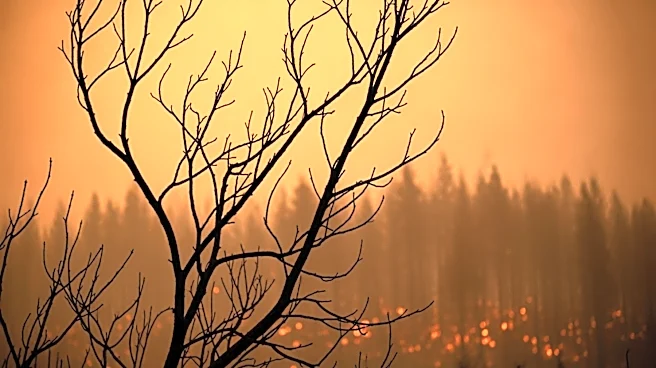
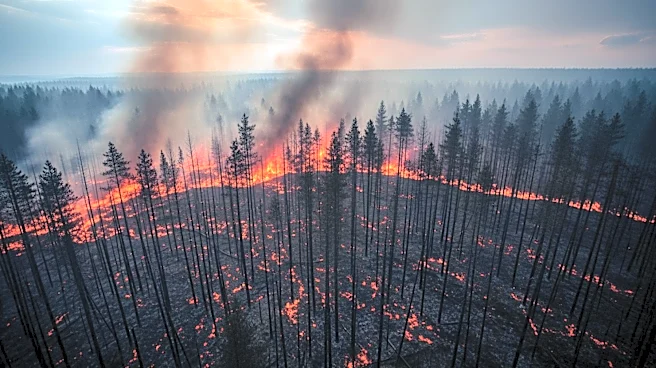
over 120 homes have been destroyed by two major wildfires. The Brantley County fire, suspected to have been ignited by an aluminum party balloon that contacted power lines, has destroyed 87 homes, marking a historic level of destruction in the state. An additional 35 homes have been lost in a larger fire affecting Clinch and Echols counties. These fires are part of an unusually high number of wildfires this spring, exacerbated by drought conditions, gusty winds, and climate change. Firefighters are working to contain the fires, but the situation remains challenging due to the scale and intensity of the blazes.
Why It's Important?
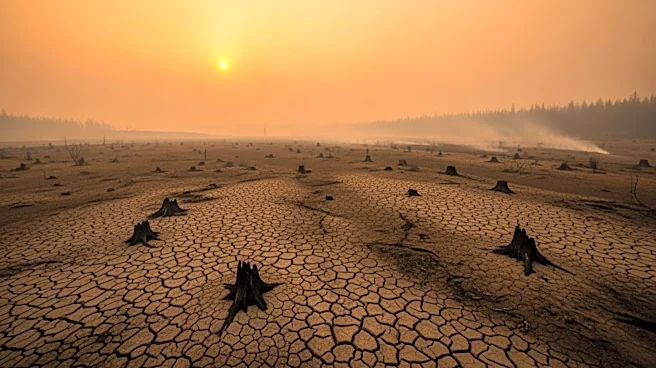
The wildfires in Georgia and Florida highlight the increasing vulnerability of regions to natural disasters exacerbated by climate change. The destruction of over 120 homes and the death of a firefighter underscore the human and economic toll of these events. The fires have forced evacuations, leaving many residents uncertain about the fate of their homes and communities. The situation also stresses local and state resources, as firefighting efforts require coordination across multiple agencies. The potential for further fires due to ongoing drought conditions and the risk of new ignitions from thunderstorms pose additional challenges. This situation serves as a stark reminder of the need for comprehensive strategies to mitigate the impacts of climate change and improve disaster preparedness.
What's Next?
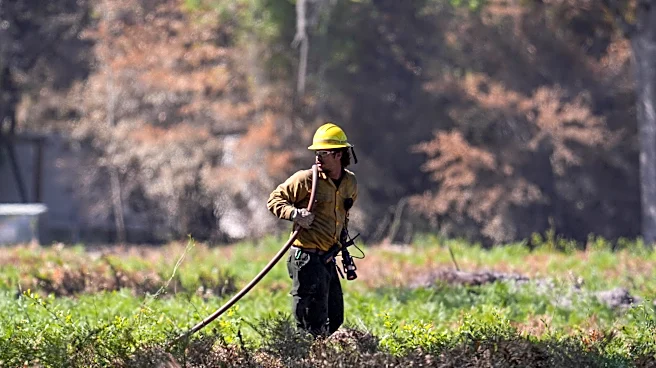
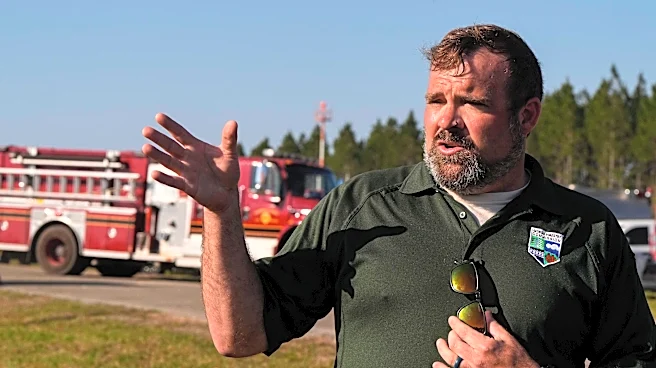
Efforts to contain the wildfires continue, with firefighters focusing on protecting homes and creating fire breaks. The Georgia Forestry Commission reports that the Brantley County fire is only 15% contained, and local officials have ordered evacuations in affected areas. Weather forecasts suggest a chance of rain, which could help slow the fires, but significant rainfall is needed to fully extinguish them. The situation remains dynamic, with the potential for new fires due to lightning from thunderstorms. Authorities are likely to continue monitoring weather conditions closely and may need to adjust their strategies as the situation evolves.