



What's Happening?
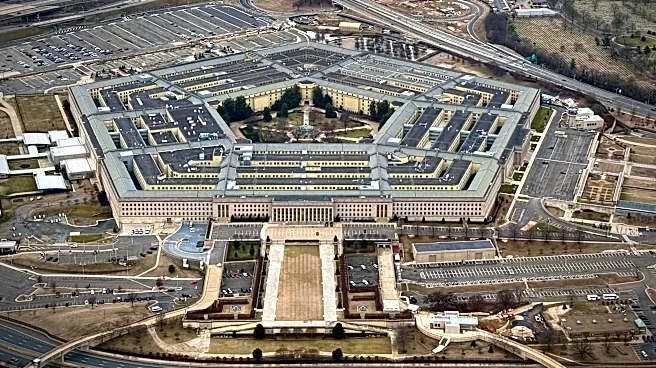
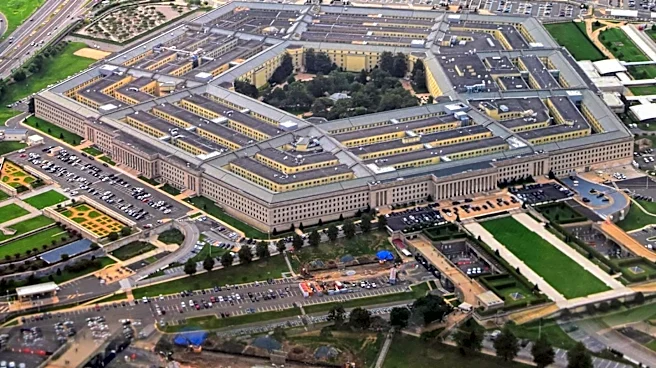
The Pentagon's FORTRESS America initiative, designed to enable major U.S. military installations to operate independently for up to 90 days during emergencies, has brought civilian preparedness for extended power outages into focus. This initiative aims
to strengthen military readiness by ensuring installations can maintain essential operations without relying on external infrastructure and supply chains. While the 90-day target applies specifically to military facilities and does not indicate an impending nationwide blackout, it underscores the importance for homeowners to prepare for potential long-term disruptions to the electrical grid. Power outages can occur due to severe weather, infrastructure failures, or other emergencies, making a household preparedness plan crucial for mitigating their impact on daily life. The initiative highlights that being ready for unexpected outages, whether short or extended, is a vital aspect of national resilience.
Why It's Important?
The discussion surrounding the FORTRESS America initiative is important because it shifts public attention towards the broader issue of energy resilience and emergency preparedness for U.S. households. Although the initiative is military-focused, it serves as a significant reminder that civilian infrastructure is also vulnerable to disruptions. For U.S. society, this means a heightened awareness of the need for self-sufficiency during emergencies, potentially leading to increased investment in personal backup power solutions and emergency supplies. Economically, this could stimulate demand for generators, battery storage systems, and non-perishable goods, benefiting manufacturers and retailers in these sectors. Public policy might also be influenced, with potential calls for enhanced grid modernization and community-level resilience programs. The emphasis on preparedness can help reduce the societal and economic costs associated with prolonged outages, such as food spoilage, communication breakdowns, and disruptions to essential services, ultimately fostering a more resilient populace.
What's Next?
In the wake of discussions around the FORTRESS America initiative, homeowners are encouraged to develop comprehensive emergency plans. This includes stocking essential supplies like drinking water, non-perishable food, and first-aid kits, with FEMA recommending enough provisions for several days. For longer disruptions, gradually building additional reserves is advised. Establishing a reliable backup power source, such as a home standby or portable generator, is also a key recommendation to maintain essential services like refrigeration, medical equipment, and communication devices. Calculating household power requirements and planning for fuel availability are critical steps for effective generator use. Additionally, protecting food and water supplies, and creating a household emergency plan that includes contact information, emergency alerts, and evacuation strategies, are crucial next steps for enhancing preparedness against unexpected power outages.
Beyond the Headlines
The Pentagon's FORTRESS America initiative, while military in scope, subtly highlights a growing national concern about infrastructure vulnerability and resilience in the face of diverse threats, from cyberattacks to extreme weather events. Beyond the immediate practicalities of emergency kits and generators, this development points to a deeper cultural shift towards self-reliance and community preparedness. It implicitly challenges the assumption of uninterrupted public services, prompting individuals and communities to consider their roles in maintaining stability during crises. This could lead to increased civic engagement in local emergency planning, a re-evaluation of building codes to incorporate resilience features, and a greater public understanding of the complex interdependencies within modern infrastructure. The ethical dimension arises in ensuring equitable access to preparedness resources, as socio-economic disparities can exacerbate the impact of outages on vulnerable populations, making community-wide resilience efforts paramount.