






What's Happening?
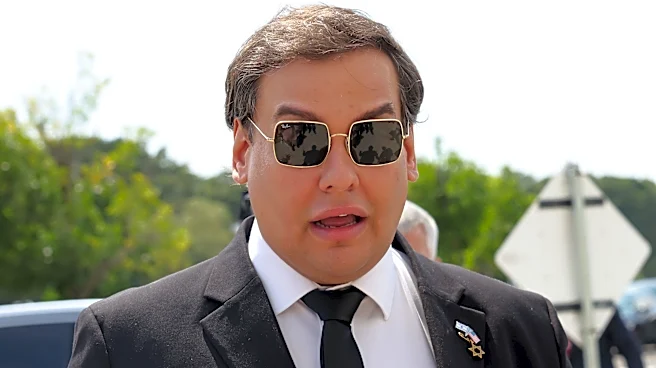
Former U.S. Representative George Santos is under investigation for allegedly engaging in insider trading related to a prediction market. The online platform Kalshi reported Santos to federal prosecutors after he allegedly placed bets against his attendance
at President Trump's State of the Union address, despite publicly stating he would attend. The Commodity Futures Trading Commission (CFTC) is examining whether Santos used nonpublic information to influence market odds and profit from the trades. Santos, who was previously convicted of fraud and identity theft, has denied the allegations and stated he will cooperate with any inquiry.
Why It's Important?
The investigation into Santos highlights concerns about the potential for manipulation in prediction markets, which have gained popularity as platforms for betting on political and economic events. The case underscores the need for regulatory oversight to prevent insider trading and ensure market integrity. It also raises questions about the ethical responsibilities of public figures who engage in such markets, particularly when their actions may influence public perception and market outcomes. The outcome of the investigation could have implications for the regulation of prediction markets and the accountability of individuals who participate in them.
What's Next?
As the investigation unfolds, federal regulators will continue to scrutinize Santos's trading activities and assess whether any laws were violated. The case may prompt calls for stricter regulations on prediction markets to prevent insider trading and protect market participants. Additionally, the investigation could impact Santos's public image and future political prospects, as well as influence public trust in prediction markets as a legitimate form of speculation. The CFTC and other regulatory bodies may also consider implementing new guidelines to enhance transparency and accountability in these markets.
Beyond the Headlines
The allegations against Santos reflect broader issues of transparency and accountability in financial markets, particularly those involving political events. The case highlights the challenges of regulating emerging markets that operate at the intersection of finance and politics. It also raises ethical questions about the role of public figures in influencing market dynamics and the potential consequences of their actions on public trust and market stability. The investigation may lead to a reevaluation of the ethical standards and regulatory frameworks governing prediction markets and similar platforms.