





What's Happening?
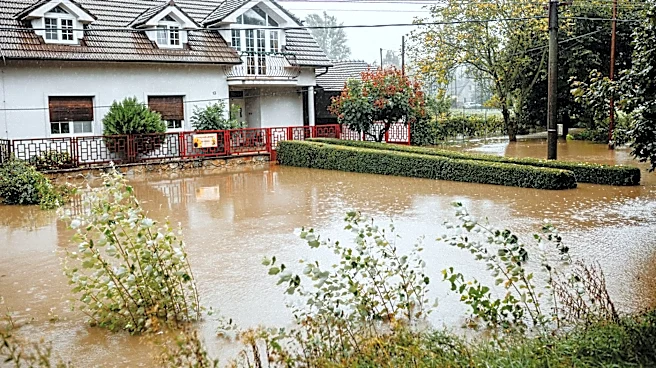
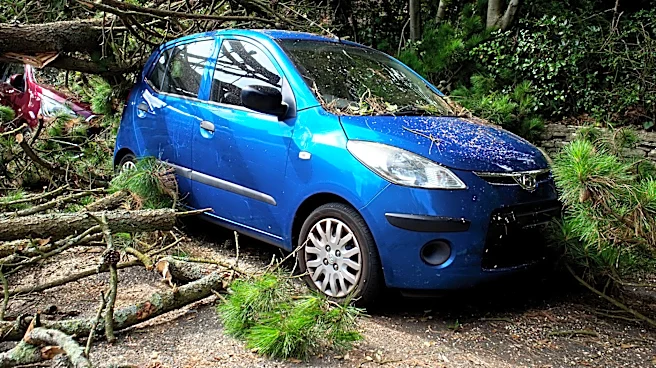
The Hawaii Department of Commerce and Consumer Affairs (DCCA) Insurance Division is advising residents to file insurance claims promptly after sustaining damage from Storm Lala. Residents whose homes, vehicles, or personal property have been affected
are encouraged to contact their insurance companies or agents immediately to report losses. This proactive approach helps ensure that coverage is applied correctly and minimizes potential delays in the claims process. The DCCA emphasizes the importance of documenting all damage with photos or videos and, if safe, retaining damaged items until an insurance adjuster has reviewed them. Additionally, residents should take reasonable steps to prevent further damage, such as placing tarps over roof leaks, but avoid permanent repairs until approved by their insurer. Keeping detailed records of all storm-related expenses, including temporary repairs, hotel stays, and meals, is also crucial for a smooth claims process. The Hawaii Insurance Division has provided resources, including a Post-Disaster Insurance Claims Guide and an instructional video, to assist residents in navigating the process.
Why It's Important?
The timely filing of insurance claims is critical for Hawaii residents recovering from Storm Lala, as it directly impacts their ability to receive financial assistance for damages. Delays in reporting can complicate the claims process and potentially jeopardize coverage. This guidance from the DCCA Insurance Division is vital for ensuring that affected individuals can rebuild and recover efficiently. A key aspect highlighted is that most standard homeowners, condominium unit-owners, and renters insurance policies typically do not cover flood damage, which is a significant consideration for an island state prone to severe weather. This information is crucial for residents to understand the limitations of their existing policies and to explore alternative coverage options if needed. The availability of resources like the Post-Disaster Insurance Claims Guide and instructional videos empowers consumers to navigate what can often be a complex and stressful process, thereby reducing financial strain and facilitating quicker recovery for the community.
What's Next?
Hawaii residents affected by Storm Lala are expected to continue filing insurance claims and engaging with their insurance providers. They should anticipate inspections from insurance adjusters and be prepared to provide all requested documentation. The DCCA Insurance Division will likely continue to promote its online resources, including the Post-Disaster Insurance Claims Guide and information on understanding insurance coverage, to support residents through this period. Consumers may also contact the Hawaii Insurance Division directly for assistance with claim-filing tips, disaster recovery resources, and other insurance-related concerns. As the recovery progresses, there may be ongoing discussions about the adequacy of current insurance policies, particularly regarding flood coverage, which could lead to future policy adjustments or public awareness campaigns to encourage residents to secure comprehensive protection against natural disasters.
Beyond the Headlines
The aftermath of Storm Lala and the subsequent call for prompt insurance claims underscore broader issues related to disaster preparedness and insurance literacy in regions vulnerable to severe weather. The explicit mention that most standard policies do not cover flood damage highlights a significant gap in protection for many homeowners, potentially leading to substantial out-of-pocket expenses and prolonged recovery periods. This situation could prompt a reevaluation of insurance mandates and incentives for residents in high-risk areas to secure specialized flood insurance. Furthermore, the emphasis on meticulous documentation and avoiding premature permanent repairs points to the intricate and often adversarial nature of the claims process, where consumers must be diligent to protect their interests. This event may also stimulate discussions about governmental roles in disaster relief and the potential for public-private partnerships to enhance resilience against increasingly frequent and intense weather events, ultimately shaping future policy and consumer behavior in disaster-prone regions.