



What's Happening?
Tulsa City Council sponsors have introduced a proposed ordinance that would prohibit retail pet stores within city limits from selling, offering for sale, or displaying dogs or cats. This measure directly impacts Petland, which is currently identified
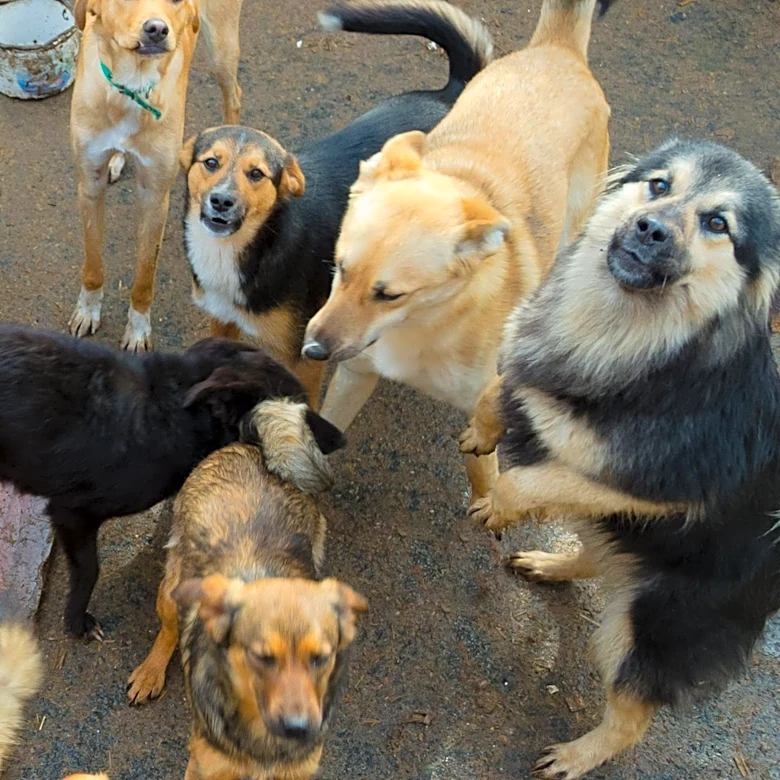
as the only store in Tulsa selling dogs and cats at retail. The ordinance's stated purpose is to address concerns about animals originating from inhumane commercial breeding facilities, often referred to as puppy mills, where animal health and welfare are reportedly not adequately maintained. Clay Bunch, regional manager for Petland, has publicly opposed the ordinance, asserting that Petland sources its animals from 'high-quality breeders' who are licensed and regulated. He also stated that Petland staff routinely visit kennels and document the origin of each animal, claiming their breeders are among the nation's best. Bunch argues that a ban on pet stores would not stop irresponsible breeders and that Petland shares the goal of eliminating puppy mills. Animal welfare advocates, such as Jamee Suarez of the Oklahoma Alliance for Animals, support the proposed ban, citing that a significant percentage of shelter animals are purebred and that individuals seeking specific breeds can find reputable breeders without relying on retail pet stores.
Why It's Important?
This proposed ordinance in Tulsa reflects a broader national trend where municipalities are seeking to regulate or ban the sale of commercially bred animals in pet stores. The debate highlights the ongoing tension between animal welfare advocates, who aim to combat puppy mills and promote adoption, and pet store businesses, which defend their sourcing practices and business models. If passed, the ordinance would significantly alter the pet retail landscape in Tulsa, potentially leading to the closure of businesses like Petland or forcing them to change their operational model to exclude dog and cat sales. The economic impact on pet stores and their employees, as well as on breeders who supply these stores, could be substantial. Furthermore, it underscores the public's growing awareness and concern regarding animal welfare in commercial breeding operations, pushing local governments to take legislative action. The outcome in Tulsa could also serve as a precedent or influence similar legislative efforts in other Oklahoma cities and across the nation, as many municipalities have already adopted comparable bans.
What's Next?
The immediate next step for Tulsa's proposed ordinance is for it to be brought up for a vote by the City Council. The current proposal outlines the prohibition but does not specify a timeline for council action or details on how it would be enforced. Petland's regional manager, Clay Bunch, noted that councilors sponsoring the ordinance had not reached out to Petland prior to its proposal, suggesting potential for further dialogue or lobbying efforts from the business community. Animal welfare organizations are likely to continue advocating for the ordinance's passage, potentially mobilizing public support. The situation in Tulsa mirrors discussions in Norman, Oklahoma, where a similar ordinance is being studied, indicating a regional movement. The legal precedent set by other cities, such as Lexington, Kentucky, where a similar ban was upheld after a lawsuit, may influence the legal challenges or defenses that arise. The Oklahoma state statute does not appear to prevent municipalities from enacting such regulations, suggesting Tulsa has the legal authority to proceed.
Beyond the Headlines
The debate surrounding Tulsa's proposed ordinance extends beyond immediate business impacts, touching upon ethical considerations of animal sourcing and consumer responsibility. The term 'puppy mill' evokes strong negative connotations, highlighting a societal shift towards greater empathy for animal welfare and a rejection of practices perceived as inhumane. The ordinance implicitly encourages pet adoption from shelters and rescues, or direct engagement with reputable breeders, thereby reshaping consumer behavior in the pet acquisition market. It also raises questions about the effectiveness of USDA licensing for breeders, as the Humane World for Animals' 'Horrible Hundred' report indicates that many listed problem breeders are USDA-licensed. This suggests a potential gap in federal oversight or enforcement, pushing local governments to implement stricter regulations. The broader implication is a move towards a more transparent and ethically conscious pet industry, where the origin and welfare of animals are paramount, potentially leading to a decline in demand for animals from large-scale commercial breeding operations.