





What's Happening?
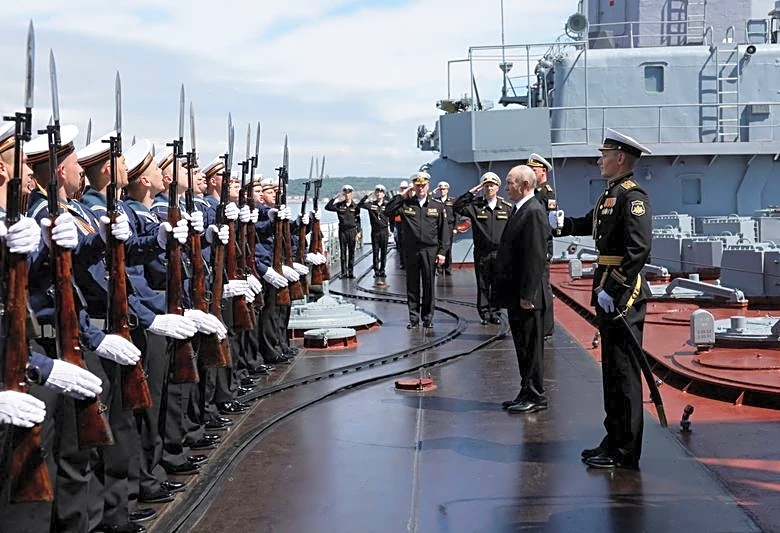
South Korea continues to provide non-lethal military aid to Ukraine, focusing on humanitarian and reconstruction support while declining to supply lethal weapons. This decision persists despite the growing military cooperation between North Korea and Russia,
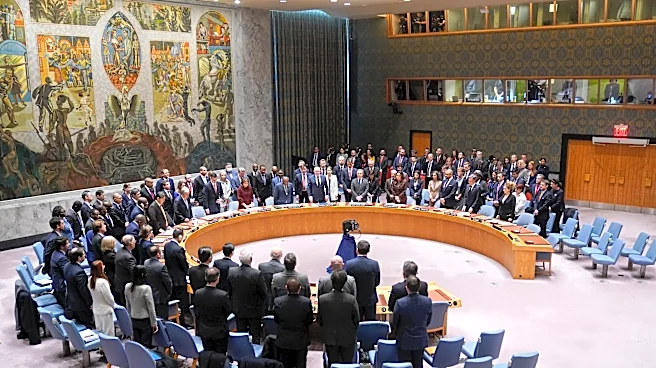
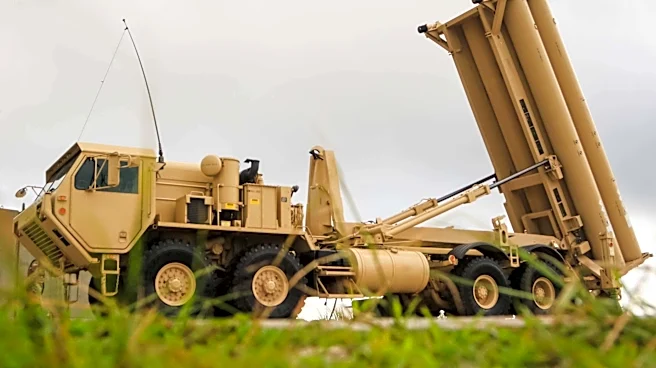
which South Korea perceives as a direct threat to its security and a violation of United Nations resolutions. South Korea has previously facilitated the transfer of artillery shells to Ukraine through the United States but has not engaged in direct arms transfers to Kyiv. The South Korean government remains committed to its policy of non-lethal support, citing domestic laws that prohibit the export of lethal weapons to countries in active conflict.
Why It's Important?
The ongoing military cooperation between North Korea and Russia poses significant security concerns for South Korea, as it could potentially destabilize the region. South Korea's decision to limit its aid to non-lethal support reflects its cautious approach to international military engagements, balancing its support for Ukraine with the need to manage its relationships with neighboring countries, including China and Russia. This stance also highlights the complexities of international arms trade and the geopolitical implications of military aid decisions. By maintaining its policy, South Korea aims to support Ukraine's recovery efforts while avoiding direct involvement in the conflict.
What's Next?
South Korea is likely to continue its humanitarian and reconstruction support for Ukraine, while monitoring the developments in North Korea-Russia relations. The South Korean government may face increasing pressure to reconsider its stance on lethal aid as the conflict in Ukraine evolves and as North Korea's military involvement with Russia intensifies. Additionally, South Korea's diplomatic efforts will likely focus on addressing the security threats posed by North Korea's actions and seeking international support to counter these challenges.