





What's Happening?
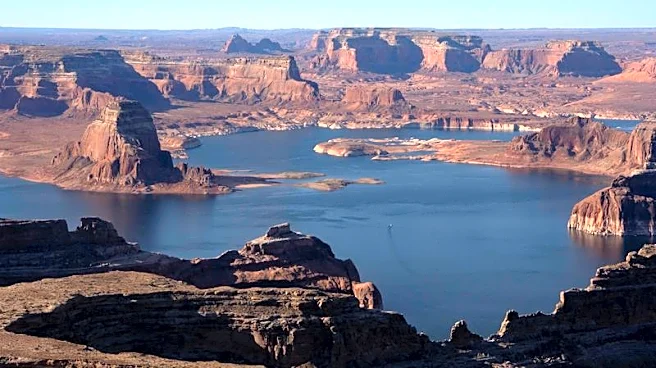
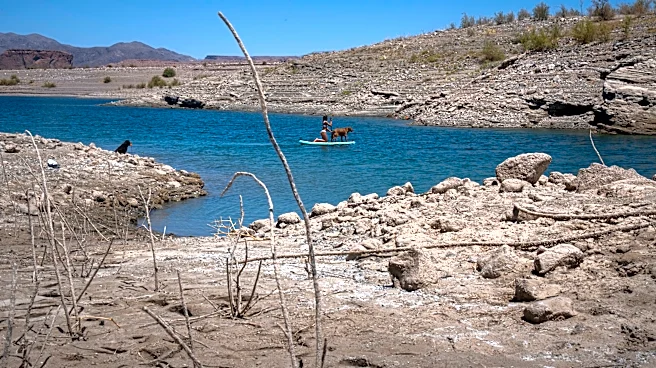
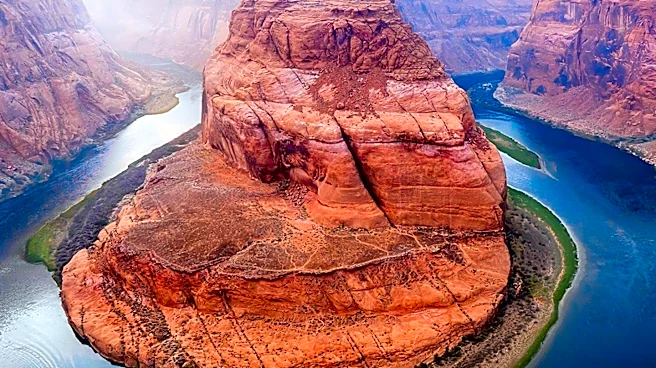
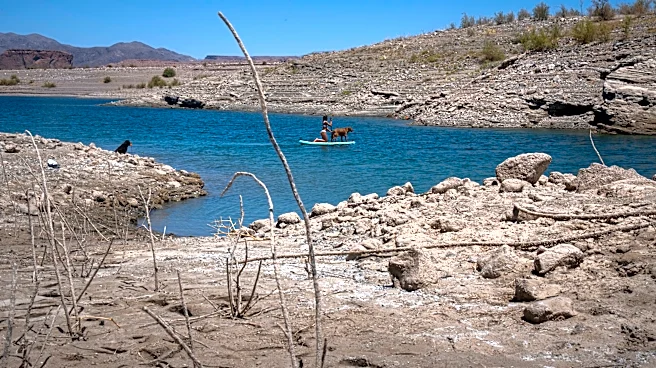
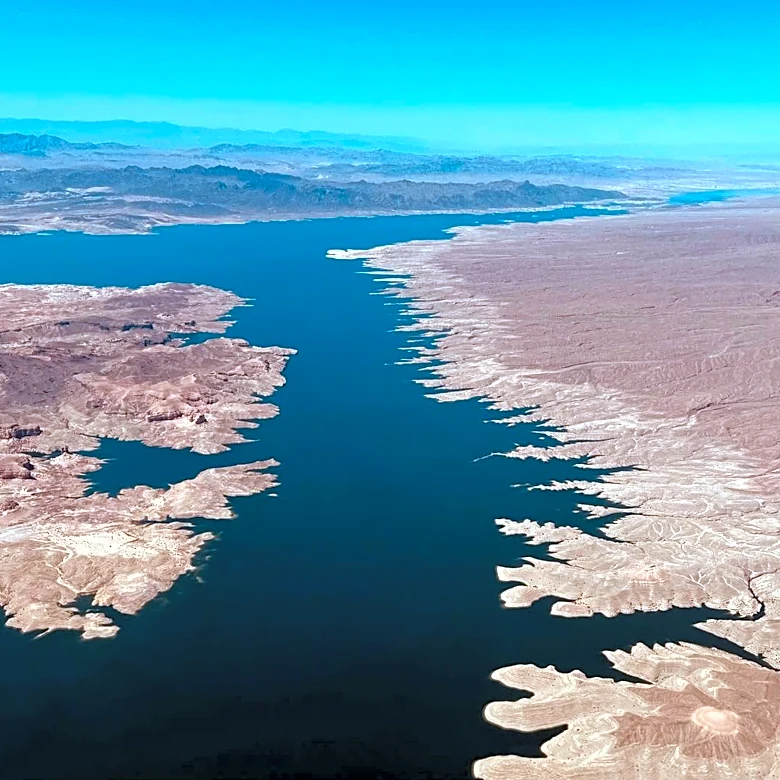
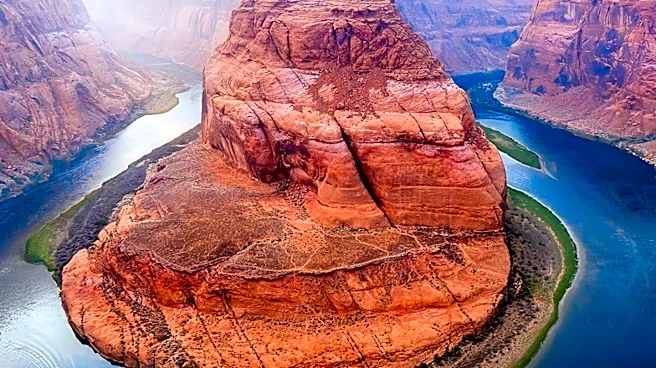
The federal government has released new guidelines for managing water from the Colorado River, setting a strategy for the next decade. The plan comes after years of negotiations among the seven states that rely on the river's water. Climate change, drought,
and steady demand have significantly reduced the river's flow, affecting nearly 40 million people and a vast agricultural industry. The new plan involves biennial reassessments of water management strategies, allowing for short-term adjustments. Arizona, California, and Nevada are expected to face significant water cutbacks, with details on the size of these reductions forthcoming.
Why It's Important?
The new federal plan for the Colorado River is crucial as it addresses the ongoing water scarcity issues exacerbated by climate change and increasing demand. The plan's focus on regular reassessments allows for adaptive management, which is essential in the face of unpredictable environmental conditions. The anticipated water cutbacks for Arizona, California, and Nevada highlight the need for these states to implement conservation measures and explore alternative water sources. The plan's success will be vital for sustaining the agricultural industry and urban areas that depend on the river. Additionally, the plan's impact on indigenous tribes and ecosystems underscores the importance of equitable and sustainable water management.