



What's Happening?
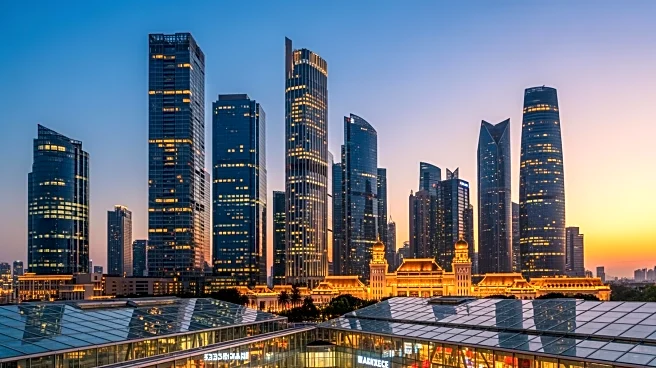
Indonesia's urban centers, including Jakarta, Bandung, and Surabaya, are experiencing significant growth due to rapid industrialization and a burgeoning middle class. These cities are not only economic powerhouses but also vibrant cultural hubs that blend
tradition with modernity. Jakarta, the capital, serves as the political and economic heart of Indonesia, while Bandung is known for its colonial architecture and educational institutions. Surabaya, a major industrial and trading port, contributes significantly to the national economy. Technology plays a crucial role in this development, with smart city initiatives and e-commerce platforms transforming urban life. Efforts are also being made to preserve cultural heritage amidst modernization, with cities like Jakarta and Bandung promoting traditional arts and historic sites.
Why It's Important?
The growth of Indonesia's urban centers is significant as it highlights the country's economic potential and cultural richness. These cities are becoming key players in the global economy, attracting investments and fostering innovation. The integration of technology in urban development enhances the quality of life for residents and supports sustainable growth. Additionally, the emphasis on cultural preservation ensures that Indonesia's rich heritage is not lost amidst modernization. This balance between tradition and progress positions Indonesia's cities as models for inclusive and resilient urban development, offering lessons for other rapidly urbanizing regions.
What's Next?
Indonesia's government, in collaboration with private sector partners, is investing in infrastructure projects to improve connectivity, housing, and public services. The development of new urban areas, such as the planned capital city of Nusantara, aims to incorporate sustainable urban planning and smart city solutions. These initiatives are expected to attract significant investment and create new economic opportunities. Furthermore, cities like Jakarta are implementing measures to reduce pollution and promote renewable energy, ensuring a healthy environment for future generations. These efforts will likely continue to shape the future of Indonesia's urban centers, making them more sustainable and livable.
Beyond the Headlines
The development of Indonesia's urban centers also raises important questions about social equity and environmental sustainability. As these cities grow, ensuring access to affordable housing and public services for all residents becomes crucial. Additionally, the focus on sustainability highlights the need for policies that address climate change and environmental degradation. The preservation of cultural heritage amidst rapid urbanization also presents challenges, requiring careful planning and community engagement. These deeper implications underscore the complexity of urban development and the need for holistic approaches that consider economic, social, and environmental factors.