








What's Happening?
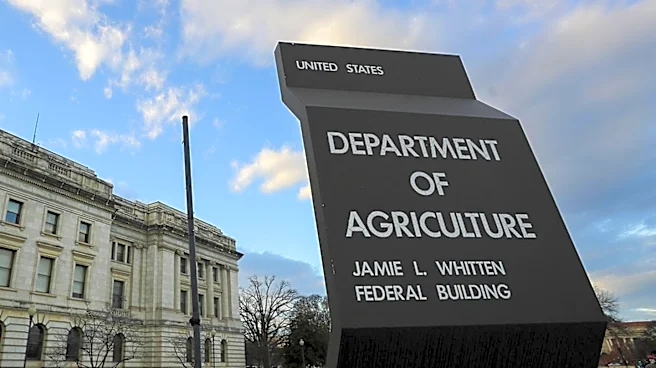
The U.S. Department of Agriculture (USDA) has announced a significant increase in financial assistance for its Regenerative Pilot Program, raising the funding from $700 million to $1 billion for fiscal year 2027. This expansion aims to provide more producers
with opportunities to adopt conservation systems that enhance soil health, water quality, and long-term farm resilience. According to Secretary of Agriculture Brooke L. Rollins, the program has seen tremendous enthusiasm from American farmers, prompting the USDA to expand its financial offerings. The program will continue to focus on whole-farm planning, addressing major resource concerns like soil, water, and natural vitality under a single conservation framework. For fiscal year 2027, the program allocates $650 million through the Environmental Quality Incentives Program (EQIP) and $350 million through the Conservation Stewardship Program (CSP). Additionally, the resource concern threshold for the Conservation Stewardship Program has been lowered from 100% to 75%, improving flexibility for producers without compromising conservation outcomes. Producers can now bundle multiple regenerative practices into one application, streamlining the process for both beginning and advanced farmers.
Why It's Important?
This substantial increase in funding for the Regenerative Pilot Program is crucial for the U.S. agricultural sector, as it directly supports farmers in adopting sustainable practices. By improving soil health and water quality, the program contributes to the long-term viability and resilience of American farms, which are vital for national food security. The expanded financial assistance and reduced entry barriers mean more farmers can access resources to implement regenerative agriculture, potentially leading to widespread environmental benefits across the country. This initiative also reflects a commitment to working with farmers to achieve national health goals, as stated by Secretary Rollins. The flexibility in application processes and monitoring options tailored to different operations (cropland, grazing lands, forestry) ensures that the program can cater to a diverse range of agricultural needs, fostering broader participation and impact. Ultimately, this investment aims to enhance the sustainability and profitability of American agriculture, benefiting both producers and consumers through improved environmental stewardship and potentially more resilient food systems.
What's Next?
Producers interested in regenerative agriculture are encouraged to apply through their local NRCS Service Centers by their state’s ranking dates for fiscal year 2027 funding consideration. The program is designed to continue its focus on whole-farm planning, addressing all major resource concerns under a unified conservation framework. The USDA will be monitoring the implementation of these practices and evaluating their effectiveness across various operations. The increased funding and lowered resource concern threshold are expected to attract a larger number of applicants, leading to a broader adoption of regenerative practices nationwide. The USDA's commitment to flexibility in how outcomes are measured and achieved suggests an adaptive approach to program management, aiming to maximize its impact while accommodating the diverse needs of American farmers. Future evaluations will likely assess the program's success in improving soil health, water quality, and overall farm resilience.