





What's Happening?
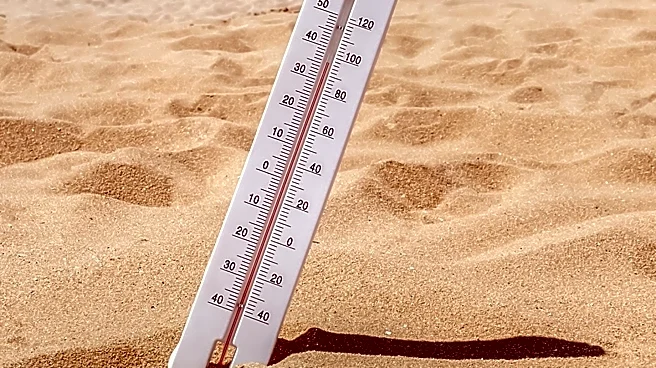
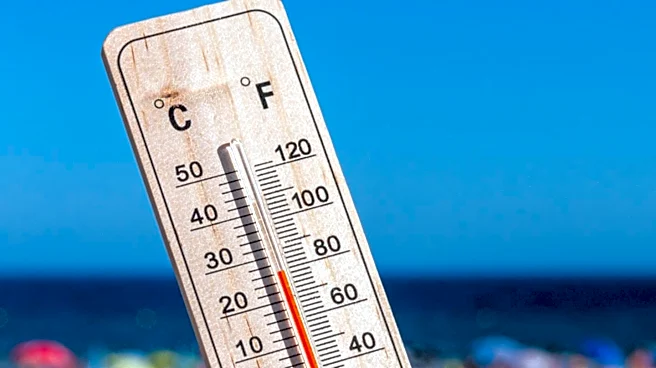
A severe heatwave is currently affecting much of the United States, posing a threat to upcoming Independence Day celebrations and World Cup matches. Researchers from World Weather Attribution have stated that such extreme temperatures would have been
'virtually impossible' without the ongoing climate crisis, which is primarily driven by fossil fuel emissions. The heatwave is attributed to a high-pressure system, or heat dome, affecting the central and eastern United States and parts of southern Canada. This weather event is expected to bring dangerous levels of heat and humidity, particularly impacting events in Washington DC and World Cup matches in Philadelphia and Miami. The analysis suggests that without the 1.4°C (2.5°F) increase in global temperatures due to human activities, such heatwaves would be extremely rare, occurring once in every 200 years.
Why It's Important?
The current heatwave highlights the immediate and tangible impacts of climate change on daily life and major events. The disruption of significant national celebrations and international sports events underscores the urgency of addressing climate change. The situation serves as a stark reminder of the need for rapid reduction in greenhouse gas emissions to prevent further escalation of such extreme weather events. The potential health risks to both participants and spectators at these events emphasize the broader societal implications of climate change, affecting public safety and economic activities. The heatwave also acts as a catalyst for policy discussions on climate action, pushing for accelerated efforts towards achieving net zero emissions.
What's Next?
In response to the heatwave, there may be calls for postponing or rescheduling affected events, such as the World Cup matches, to ensure the safety of players and fans. This situation could lead to increased pressure on policymakers to implement more aggressive climate policies and transition strategies towards sustainable energy sources. Public awareness and concern about climate change are likely to grow, potentially influencing future legislative and regulatory actions. Additionally, organizers of large-scale events may need to develop contingency plans to address similar climate-related disruptions in the future.
Beyond the Headlines
The heatwave serves as a critical point for examining the ethical responsibilities of governments and corporations in addressing climate change. It raises questions about the adequacy of current climate policies and the role of international cooperation in mitigating global warming. The event also highlights the need for investment in climate resilience infrastructure to protect communities and economies from the adverse effects of extreme weather. Long-term, this could lead to shifts in public attitudes towards environmental sustainability and increased support for green technologies and practices.