


What's Happening?
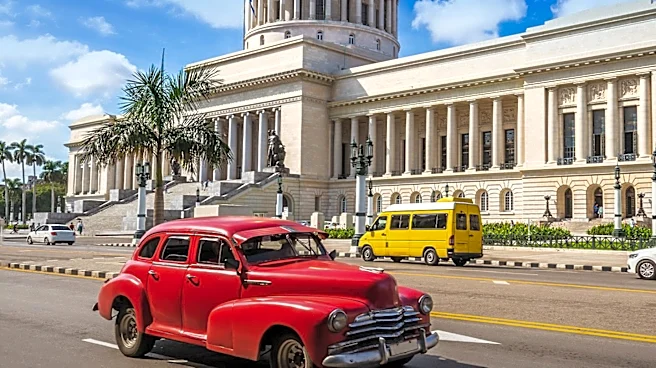
Cuban leader Miguel Díaz-Canel conducted another inspection of hydraulic facilities in Havana, where over 309,000 residents are still experiencing water supply issues. This visit follows a previous inspection in August when the government announced a Comprehensive
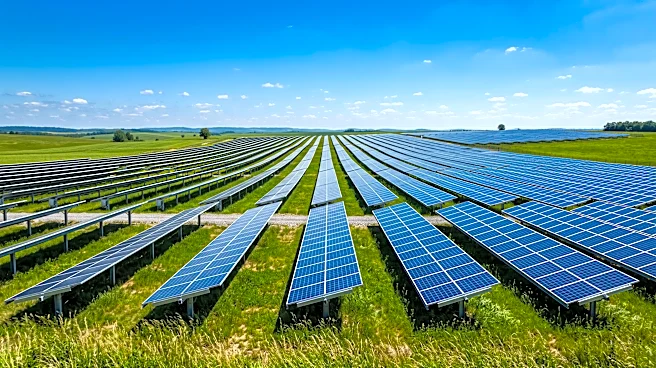
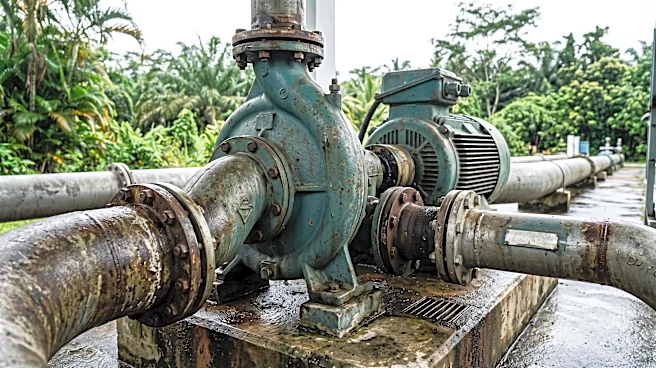
Water Supply Assurance Program for Havana. According to Yosvany Rubí Bazail, general director of Aguas de La Habana, the number of affected individuals has decreased from over 500,000 on November 5. The inspection included the Alamar Water Tanks, the Family Care System (SAF) El Rampeño, and the Maternidad Obrera hospital. The decrease in affected residents is attributed to the installation of newly repaired well pumps and other ongoing efforts. Rubén Campos Olmo, General Director of the Electric Union, reported on the installation of generators in well fields, though their operation depends on fuel availability. A program for photovoltaic solar parks, aiming to provide 200 MW of generation capacity to aqueduct systems by August 2027, was also discussed to reduce reliance on the National Electro-Energetic System.
Why It's Important?
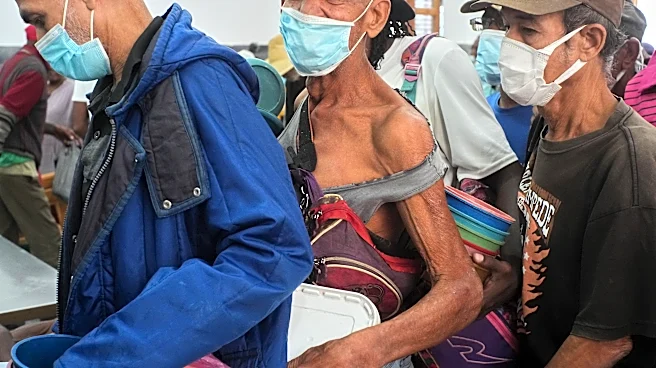
The persistent water shortages in Havana, affecting hundreds of thousands of residents, highlight a critical infrastructure crisis in Cuba. The fact that some pipes in the capital have not been significantly renewed in 60 to 70 years underscores a long-standing issue of underinvestment and decay in essential public services. This situation directly impacts the daily lives and health of the Cuban population, leading to significant hardship and potential public health concerns. The reliance on generators for water supply, which in turn depends on fuel availability, exposes the vulnerability of the system to external factors and economic constraints. The government's efforts to implement photovoltaic solar parks for aqueduct systems indicate a recognition of the problem and an attempt to find sustainable solutions, but the timeline for completion (August 2027) suggests that immediate relief for many residents is not imminent. The water crisis, alongside other shortages, contributes to widespread dissatisfaction among Cubans, as indicated by surveys showing a strong desire for urgent change.
What's Next?
The Cuban government is continuing its efforts to address the water crisis, with plans for photovoltaic solar parks to enhance the resilience of aqueduct systems. However, the completion of these projects is still years away. In the interim, the effectiveness of newly repaired well pumps and the availability of fuel for generators will be crucial in mitigating the current shortages. The ongoing inspections by President Díaz-Canel suggest a continued focus on the issue at the highest levels of government. However, the deep-seated nature of the problem, including aging infrastructure and economic limitations, indicates that a comprehensive and lasting solution will require substantial investment and time. The public's patience may be tested as they continue to face daily challenges related to water access. The government's ability to effectively manage and resolve this crisis will be a key factor in maintaining public trust and stability.
Beyond the Headlines
The water crisis in Havana is more than just an infrastructure problem; it is a symptom of broader economic and governance challenges facing Cuba. The acknowledgment that some infrastructure has not been updated in decades points to systemic issues in resource allocation and maintenance. The proposed shift towards solar energy for water systems reflects a strategic move towards greater energy independence and resilience, particularly in the face of external pressures and fuel shortages. However, the successful implementation of such large-scale projects will depend on access to technology, financing, and skilled labor. The crisis also highlights the social contract between the government and its citizens; the inability to provide basic services like consistent water supply can erode public confidence and fuel calls for change. This situation could also influence international perceptions of Cuba's development and its capacity to manage essential services, potentially impacting foreign investment and aid.