
What's Happening?
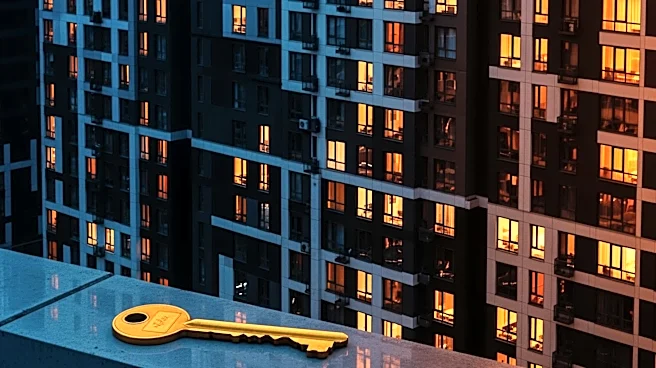
Miami is experiencing a significant demographic shift as rising living costs and gentrification drive long-time residents out of the city. According to a report, Miami has surpassed New York as the largest
luxury inventory market in the U.S., with a record number of high-value property transactions. The influx of ultra-wealthy individuals is reshaping the city, leading to a two-tier housing market where luxury properties thrive while the middle-market softens. This trend is exacerbated by high living costs, with the cost of living in Miami now 20% above the national average. Many residents, unable to keep up with the rising expenses, are relocating to more affordable areas within Florida or other states.
Why It's Important?
The gentrification of Miami highlights broader issues of economic inequality and housing affordability in urban areas. As the city becomes a hub for the wealthy, middle and lower-income residents face displacement, leading to social and economic stratification. This shift could have long-term implications for Miami's cultural and economic landscape, potentially reducing diversity and altering the city's character. The trend also reflects a national pattern where major cities are becoming increasingly unaffordable for average citizens, raising concerns about sustainable urban development and the need for policies that address housing affordability and economic inclusivity.
What's Next?
As Miami continues to attract high-net-worth individuals, the city may see further development in luxury real estate, potentially widening the gap between different economic classes. Policymakers and city planners may need to address these challenges by implementing measures to ensure affordable housing and support for displaced residents. The ongoing demographic changes could also influence local politics and public policy, as the needs and priorities of the city's population evolve.