




What's Happening?
The legality of warrantless phone searches at U.S. borders is under scrutiny following the case of Samuel Tunick, an activist charged with destruction of evidence after using a duress password to delete his phone's data during a border search. This case highlights
the 'border exception' loophole, allowing federal agents to search electronic devices without a warrant. Critics argue that this practice violates Fourth Amendment rights, as phones contain extensive personal information. The case raises concerns about potential misuse of power by authorities, especially against political activists.
Why It's Important?
The outcome of this case could have significant implications for privacy rights and law enforcement practices in the U.S. If the courts uphold the warrantless search, it may set a precedent for increased surveillance and potential targeting of individuals based on political beliefs. Conversely, a ruling against the practice could strengthen privacy protections and limit government overreach. This issue is particularly relevant in the context of growing concerns about digital privacy and the balance between security and civil liberties.
What's Next?
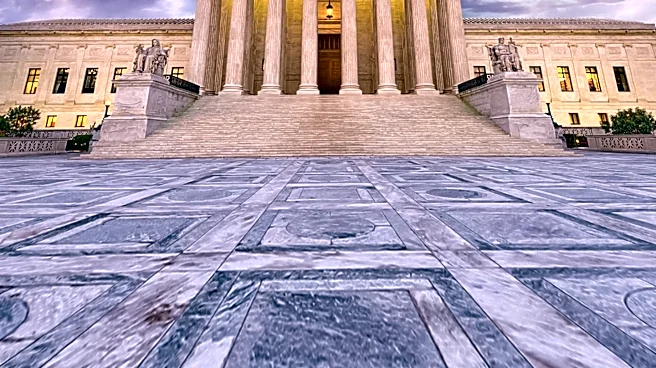
The case may progress to higher courts, potentially reaching the Supreme Court, which could redefine the legal standards for electronic searches at borders. Legislative action, such as the proposed bill by Senators Wyden and Paul, could also address the loophole by requiring warrants for such searches. The decision will likely influence future policies on digital privacy and border security, impacting travelers, activists, and the broader public.