




What's Happening?
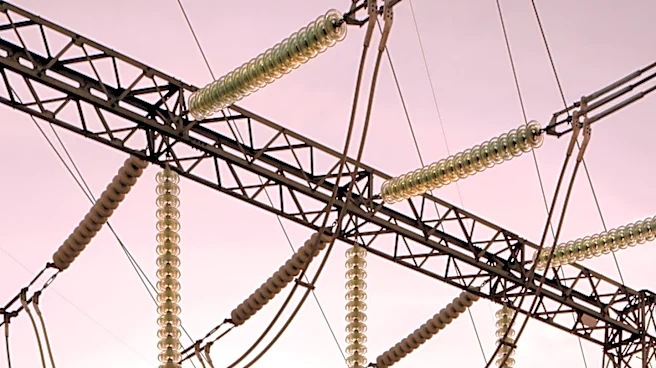
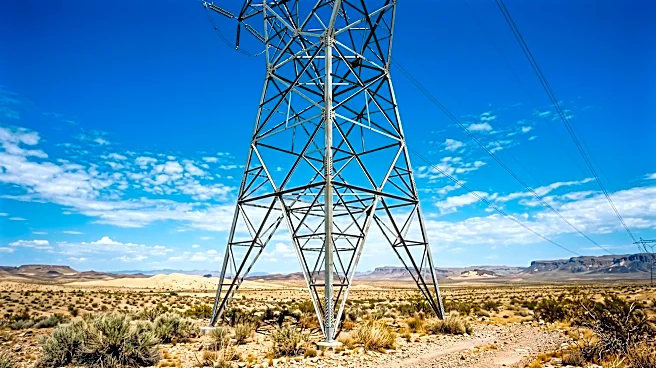
Arizona is advocating for expedited permitting processes for new power lines to combat the state's struggling energy grid and meet surging demand. The U.S. Senate's Bipartisan American Affordability and Jobs Act of 2026 aims to streamline these approvals,
particularly for upgrades within existing utility corridors, avoiding redundant reviews. This legislative effort is crucial as the current system leads to significant delays; for instance, the SunZia transmission line took two decades for paperwork, planning, and litigation, with construction itself only taking three years. The slow pace of grid expansion and modernization is exacerbating energy challenges, especially during Arizona's hot summers, where high electricity costs force some residents to ration air conditioning, posing health risks. Attorney General Kris Mayes is involved in discussions regarding residential rate hikes proposed by Tucson Electric Power, highlighting the broader financial impact on consumers.
Why It's Important?
The push for faster power line permitting in Arizona is critical for both economic stability and public health. A slow grid expansion directly impacts the state's ability to meet growing energy demands, which in turn affects industries and residents. Delays in connecting new power projects, particularly clean energy initiatives like solar, wind, and batteries, hinder the transition to sustainable energy sources and economic growth. The current permitting system creates bottlenecks, preventing the deployment of projects that could generate more electricity than the entire country's current grid capacity. Furthermore, the issue has significant public health implications, as evidenced by the rising number of heat-related deaths in Pima County. When families are forced to limit air conditioning due to high costs and an inefficient grid, it creates a direct health risk, especially for vulnerable populations during extreme heat events. This legislative effort seeks to alleviate these pressures, ensuring a more reliable and affordable energy supply.
What's Next?
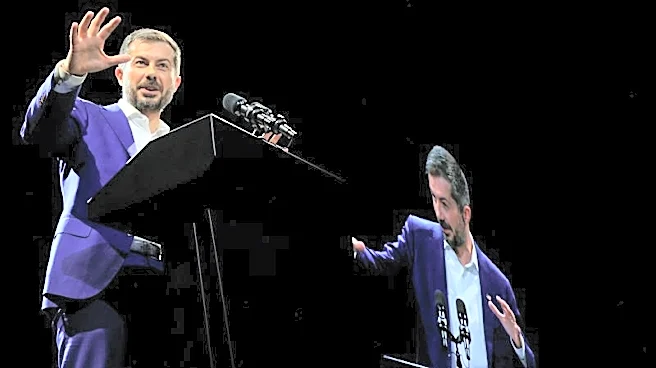
The Bipartisan American Affordability and Jobs Act of 2026 is awaiting a vote in the U.S. Senate. Arizona Senator Ruben Gallego, who has previously advocated for faster transmission permitting, is expected to support the bill and encourage his colleagues to do the same. If passed, the legislation would allow utilities to upgrade power lines within existing corridors without extensive new permitting reviews, significantly reducing the time and cost associated with grid expansion. This could lead to a more resilient and efficient energy infrastructure, better equipped to handle future demand and integrate clean energy projects. The outcome of this bill will directly influence Arizona's energy future, potentially mitigating the need for steep rate hikes and improving public health outcomes during extreme weather.
Beyond the Headlines
The challenges faced by Arizona's energy grid highlight a broader national issue: the U.S. power grid's struggle to keep pace with increasing energy needs. The current rate of high-voltage transmission line construction, at only 500 miles annually, falls far short of the projected 5,000 miles needed by 2050. This disparity underscores a systemic problem in infrastructure development, where bureaucratic hurdles and lengthy litigation processes impede essential upgrades. The bipartisan nature of the proposed legislation suggests a growing recognition across the political spectrum of the urgent need for grid modernization. Beyond the immediate economic and health impacts, the efficiency of power line permitting has long-term implications for national energy security, the integration of renewable energy, and the country's ability to adapt to climate change. The Arizona case serves as a microcosm of a larger national infrastructure crisis that requires sustained legislative and collaborative efforts.