



What's Happening?
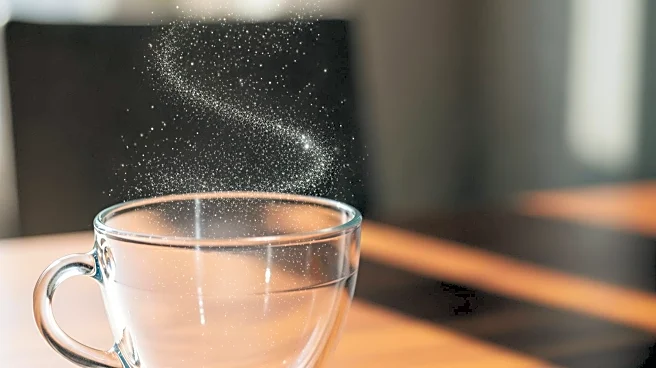
Recent research published in the Journal of Hazardous Materials: Plastics has revealed that takeaway coffee cups, particularly those made of plastic or with a plastic lining, release thousands of microplastic particles into beverages. The study, conducted
by researchers in Australia, tested 400 coffee cups of two major types: plastic cups made of polyethylene and plastic-lined paper cups. The findings showed that both types of cups released microplastics, with the release rate increasing significantly when the cups were exposed to hot liquids. The study highlights that the material of the cup plays a crucial role, with plastic-lined paper cups releasing fewer microplastics compared to all-plastic cups. The research underscores the importance of temperature, as higher temperatures lead to a greater release of microplastics.
Why It's Important?
The release of microplastics from everyday items like coffee cups poses potential health risks, as these particles can end up in the human body. While the long-term health effects of microplastics are not yet fully understood, their presence in the environment and food chain is a growing concern. This research emphasizes the need for consumers to be aware of the materials used in disposable products and the conditions under which they are used. The findings could influence public policy and consumer behavior, encouraging the use of reusable cups made from materials like stainless steel, ceramic, or glass, which do not shed microplastics. Additionally, the study may prompt manufacturers to reconsider the design and materials of disposable cups to minimize health risks.
What's Next?
As awareness of microplastic pollution grows, there may be increased pressure on manufacturers to develop safer, more sustainable alternatives to current disposable cup designs. Policymakers could also consider regulations to limit the use of plastic in consumer products, particularly those that come into contact with food and beverages. Further research is needed to better understand the health implications of microplastic ingestion and to develop strategies for reducing exposure. Consumers may also begin to demand more transparency from companies regarding the materials used in their products, potentially leading to a shift in market preferences towards more environmentally friendly options.
Beyond the Headlines
The issue of microplastic pollution extends beyond health concerns, touching on broader environmental and ethical considerations. The widespread use of single-use plastics contributes to environmental degradation, affecting wildlife and ecosystems. This research highlights the need for a cultural shift towards sustainability, encouraging individuals and businesses to adopt practices that reduce plastic waste. The findings also raise ethical questions about consumer safety and the responsibility of manufacturers to ensure their products do not pose health risks. As society becomes more conscious of these issues, there may be a push for more rigorous testing and regulation of consumer products to protect public health and the environment.