






What's Happening?
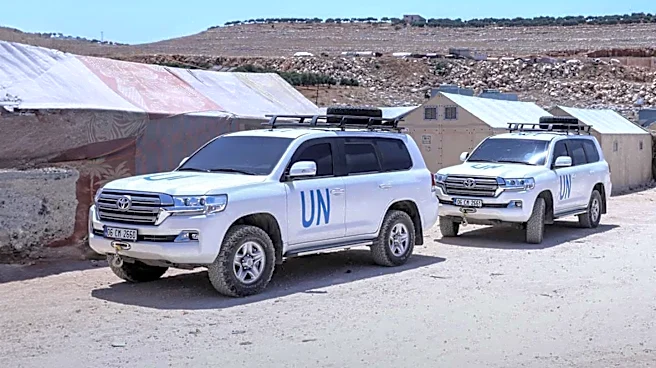
The UN World Food Programme (WFP) is implementing significant cuts to its aid program in Gaza due to severe funding shortages. This reduction will leave approximately 500,000 people without monthly food support in a territory where two-thirds of the population
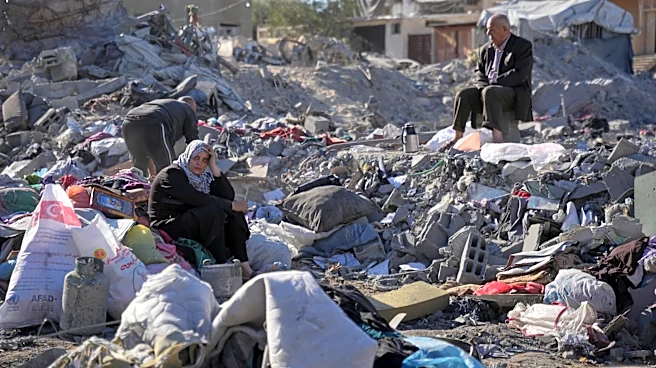
already struggles with food insecurity. The WFP has decreased the number of aid recipients from 1.6 million to 1.1 million. In addition to reducing the number of beneficiaries, food rations have been halved, and cash assistance has been cut for 75,000 families. The provision of daily hot meals for those unable to cook has also been reduced from 250,000 to 150,000, with some families in hard-to-reach areas now receiving hot meals only every other day. The WFP reports that about 1.4 million people in Gaza are currently facing crisis levels of food insecurity or worse.
Why It's Important?
These cuts by the World Food Programme will have a devastating impact on the already vulnerable population in Gaza. With two-thirds of the territory's residents struggling to secure enough food, the withdrawal of aid for half a million people will exacerbate an already dire humanitarian crisis. The reduction in food rations and cash assistance means that families will have even less access to essential nutrition, potentially leading to increased malnutrition, especially among children, the elderly, and those with chronic illnesses. The decrease in hot meals will particularly affect individuals who lack the means to prepare food, pushing them further into food insecurity. This situation highlights the critical reliance of Gaza's population on international aid and the severe consequences when such support diminishes, potentially leading to broader public health crises and increased social instability within the territory.
What's Next?
The immediate consequence of these cuts will be a significant increase in food insecurity and humanitarian suffering for hundreds of thousands in Gaza. International humanitarian organizations and donor countries will likely face increased pressure to address the funding gap to prevent a further deterioration of the situation. The WFP will need to continue advocating for increased financial support from the international community to restore its aid operations to previous levels. Without additional funding, the WFP may be forced to implement further cuts, deepening the crisis. Local authorities and other aid groups in Gaza will struggle to fill the void left by the WFP's reduced capacity, potentially leading to a more fragmented and less effective humanitarian response. The long-term outlook suggests a continued struggle for food security in the region unless sustainable funding solutions are found.
Beyond the Headlines
The funding crisis affecting the WFP's operations in Gaza underscores a broader challenge in international humanitarian aid: the growing gap between humanitarian needs and available resources. This situation reflects a global trend where complex and protracted crises, coupled with donor fatigue and shifting geopolitical priorities, strain the capacity of major aid organizations. The ethical implications are profound, as the decision to cut aid directly impacts the survival and well-being of vulnerable populations who have little to no alternative means of support. Legally, while there are no direct obligations for specific nations to fund the WFP, the international community generally recognizes a moral imperative to prevent humanitarian catastrophes. This crisis also highlights the fragility of food systems in conflict-affected regions and the urgent need for long-term solutions that promote self-sufficiency and resilience, rather than perpetual reliance on emergency aid.