







What's Happening?
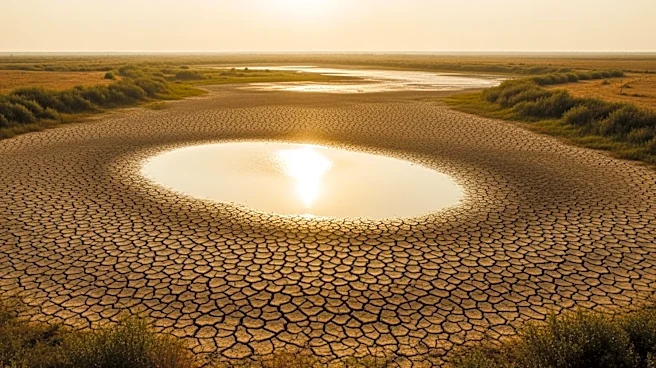
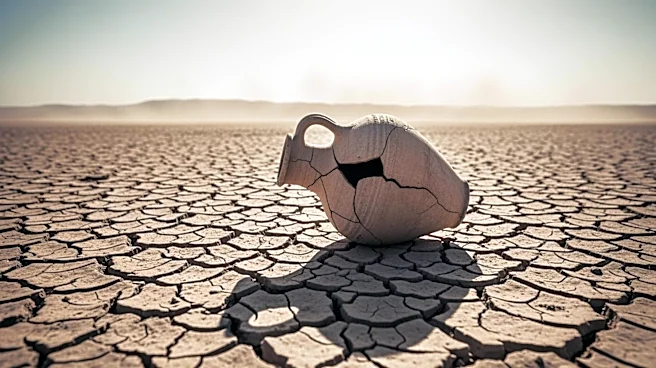
Iran is grappling with a severe water crisis exacerbated by ongoing U.S. sanctions and decades of mismanagement. The country has been experiencing a historic drought for six years, which has been compounded by poor resource management and ill-conceived
engineering projects. Iranian officials are urging citizens to conserve water, fuel, and electricity as the summer dry season approaches. Despite a reported increase in water inflow to dams, uneven rainfall and repeated electricity outages threaten to reduce crop production significantly. The crisis poses a direct threat to Iran's agricultural sector and food supply, with potential reductions in crop yields by 25 to 30%.
Why It's Important?
The water crisis in Iran has far-reaching implications for the country's stability and economic health. Agriculture, a critical sector for Iran's economy, is at risk, potentially leading to food shortages and increased prices. The situation is further complicated by U.S. sanctions, which limit Iran's ability to export oil and generate revenue. The crisis highlights the challenges of resource management in the face of geopolitical tensions and environmental changes. It also underscores the need for sustainable water management practices to ensure long-term water security.
What's Next?
Iranian authorities may need to implement stricter water conservation measures and explore alternative water management strategies. International negotiations, such as the tentative agreement to extend a cease-fire and address nuclear issues, could influence the country's ability to manage its resources. The government may also consider relocating the capital to a region with better water availability, although this would involve significant costs and logistical challenges. Continued international attention and support may be necessary to address the underlying causes of the crisis.