





What's Happening?
The Syrian Humanitarian Fund (SHF) has announced an allocation of $107 million to address critical gaps within the Syria Humanitarian Response. This significant funding aims to support various essential sectors that are currently under-resourced. The primary
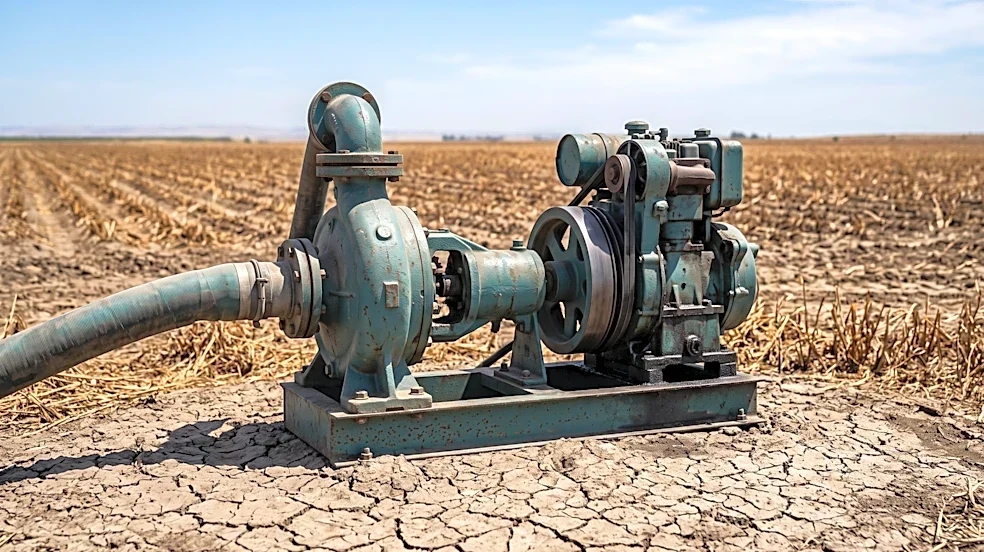
areas of focus for this allocation include mine action, debris removal, health services, food security, agriculture, and Water, Sanitation, and Hygiene (WASH) services. These sectors have been identified as having the most pressing needs and the greatest potential for immediate impact on the affected population. The allocation is part of ongoing efforts to provide comprehensive humanitarian assistance in Syria, where years of conflict have severely impacted infrastructure and basic services. The SHF's decision reflects a strategic approach to target the most vulnerable populations and address immediate life-saving needs, while also supporting early recovery initiatives. This funding is expected to be disbursed to various implementing partners on the ground to ensure efficient and effective delivery of aid.
Why It's Important?
This $107 million allocation from the Syrian Humanitarian Fund is crucial for mitigating the severe humanitarian crisis in Syria. The targeted sectors—mine action, debris removal, health, food security, agriculture, and WASH—are fundamental to the survival and well-being of millions of Syrians. Mine action and debris removal are essential for making areas safe for return and reconstruction, reducing civilian casualties, and allowing access for humanitarian aid. Improvements in health services are vital given the widespread destruction of medical infrastructure and the prevalence of preventable diseases. Enhancing food security and agriculture is critical to combatting malnutrition and fostering self-sufficiency, reducing reliance on external aid. Furthermore, robust WASH services are indispensable for preventing the spread of waterborne diseases and ensuring basic hygiene, which is a cornerstone of public health. This funding will directly impact the lives of countless individuals by providing access to basic necessities and creating safer living conditions, thereby preventing further deterioration of the humanitarian situation and laying groundwork for future stability.
What's Next?
Following this allocation, the Syrian Humanitarian Fund will proceed with the process of identifying and partnering with various humanitarian organizations and NGOs on the ground that are best positioned to implement projects in the targeted sectors. These partners will be responsible for the direct delivery of services and aid, ensuring that the funds reach the intended beneficiaries effectively. The immediate next steps will involve detailed project planning, procurement of necessary supplies, and deployment of personnel to the affected regions. Monitoring and evaluation mechanisms will likely be put in place to track the progress and impact of the funded initiatives, ensuring accountability and transparency in the use of resources. Stakeholders, including local communities, will be engaged to ensure that the aid provided is relevant and responsive to their specific needs. The success of these interventions will be critical in determining future funding priorities and strategies for humanitarian assistance in Syria.
Beyond the Headlines
The allocation of $107 million by the Syrian Humanitarian Fund, while addressing immediate needs, also highlights the persistent and complex challenges in Syria. Beyond the direct provision of aid, this funding implicitly supports broader goals of stabilization and early recovery. By investing in mine action and debris removal, the SHF is not only saving lives but also facilitating the potential return of displaced populations and the rebuilding of communities, which are crucial for long-term peace. The focus on agriculture and food security aims to reduce dependency on external aid, fostering local resilience and economic recovery, which are vital for sustainable development. This initiative also underscores the ongoing international commitment to humanitarian principles in conflict zones, even amidst geopolitical complexities. The long-term implications include the potential for reduced humanitarian caseloads, improved public health outcomes, and a more stable environment conducive to political solutions, though these remain contingent on sustained efforts and broader political will.