





What's Happening?
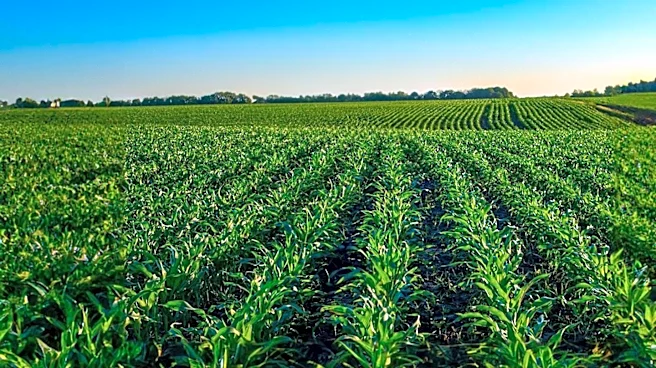
Farmers in Kansas, supported by the Land Institute in Salina, are actively experimenting with the cultivation of Kernza, a perennial grain derived from *Thinopyrum intermedium*. This initiative aims to develop a resilient food source capable of withstanding
extreme weather events and enhancing soil health. Historically used as livestock forage, Kernza has been under development since 2001 to become a perennial grain for human consumption. Unlike annual grains, Kernza does not require yearly planting, possesses deep root systems that improve drought resistance and water absorption during heavy rains, and sequesters more carbon in the soil. The grain is noted for its nutty flavor, high fiber content, and increased levels of proteins, carotenoids, and antioxidants compared to annual wheat. The Land Institute emphasizes that Kernza is a 100% natural, non-GMO seed, not covered by patents. Last year, Kernza was cultivated on 1,421 hectares in the U.S., a small fraction compared to the 15.1 million hectares dedicated to wheat.
Why It's Important?
The development and adoption of Kernza represent a significant step in addressing the agricultural challenges posed by climate change in the U.S. Its perennial nature offers a sustainable alternative to traditional annual crops, which are more vulnerable to extreme weather conditions like droughts and heavy rainfall. By improving soil drainage and organic matter, Kernza can help restore degraded farmlands, reducing the need for extensive fertilization—requiring only about one-third of the fertilizers used for wheat. Furthermore, the reduced need for annual planting and harvesting decreases labor requirements and the use of fuel-powered agricultural machinery, contributing to lower carbon emissions. This shift towards perennial grains could enhance food security, stabilize agricultural production in the face of climate volatility, and offer environmental benefits through increased carbon sequestration and reduced soil erosion. The success of Kernza could pave the way for broader adoption of perennial crops, transforming U.S. agricultural practices.
What's Next?
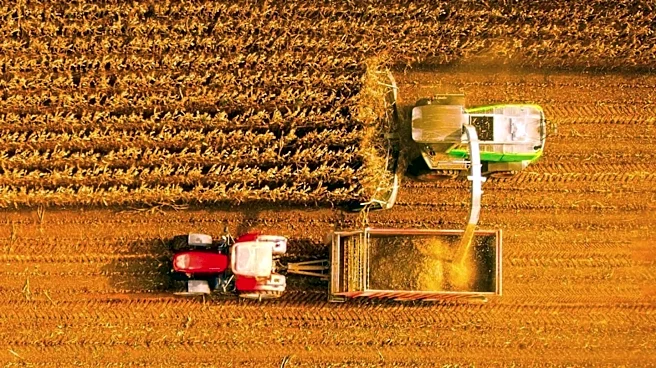
The immediate focus for Kernza development involves improving its yield to match that of traditional wheat, as current Kernza yields are only 20-40% of wheat yields in comparable areas. Researchers and farmers are also working on adapting agricultural equipment to prevent damage to the smaller Kernza grains during harvest. Beyond these technical challenges, there is a critical need to raise consumer awareness and develop a stable market for Kernza products. Despite growing interest from farmers eager to cultivate Kernza due to its climate resilience, the lack of consumer familiarity and an underdeveloped market pose significant hurdles. Future efforts will likely concentrate on promoting access to Kernza products, providing financial incentives and support for farmers, and educating consumers about the benefits of this sustainable grain to expand its market presence and ensure its long-term viability in the U.S. agricultural landscape.
Beyond the Headlines
The embrace of perennial grains like Kernza signifies a deeper paradigm shift in agricultural philosophy, moving from short-term productivity to long-term ecological sustainability. This initiative highlights the ethical imperative to preserve soil health for future generations, as articulated by researchers like Laura van der Pol from the Land Institute. The challenges in scaling Kernza—from yield optimization to market development—underscore the complex interplay between scientific innovation, economic viability, and consumer behavior. The success of Kernza could trigger broader discussions about agricultural subsidies, land use policies, and dietary habits, potentially leading to a more diversified and resilient food system in the U.S. It also brings to light the potential for natural, non-GMO solutions to address global food security and climate change, contrasting with debates surrounding genetically modified organisms. This effort is not just about a new crop; it's about redefining the relationship between agriculture, environment, and society.