

What's Happening?
Recent studies have highlighted the structural compromise of the Thwaites Eastern Ice Shelf, an extension of the Thwaites Glacier in Antarctica. This glacier is one of the fastest-changing ice-ocean systems in the region. Researchers have observed that
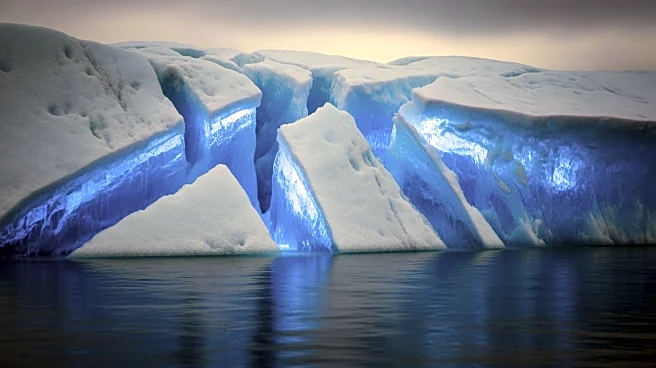
the ice shelf has been fracturing over the years, with the process occurring in two phases: the expansion of long shear fractures followed by an increase in smaller fractures. The potential collapse of the Thwaites Glacier could result in a significant rise in sea levels, estimated at approximately 65 centimeters, or over two feet. This change is expected to occur as the baseline of the ice shelf retreats at a rate of nearly one kilometer per year over the next four decades.
Why It's Important?
The melting of the Thwaites Glacier is a critical concern due to its potential impact on global sea levels. The Arctic region is warming three times faster than the global average, largely due to human activities that contribute to air pollution and rising temperatures. Since 1900, Arctic sea ice has declined by 60%, leading to continuous sea level rise. In the U.S., this could result in sea levels rising by 1 to 2 feet by 2050, with an increase in high tide flood days. The melting ice also threatens global food systems by damaging crops, which could lead to higher grocery costs and a wider spread of diseases.
What's Next?
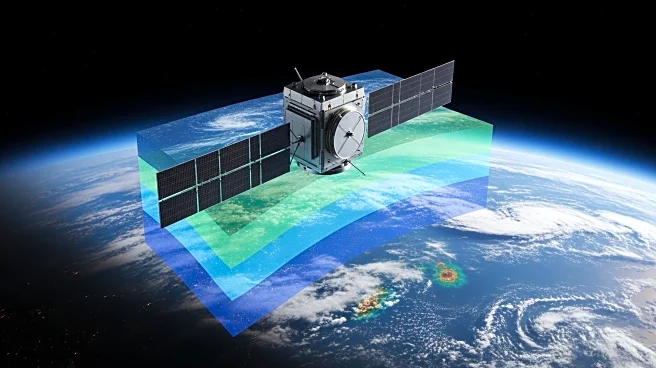
Efforts to mitigate Arctic ice melt involve monitoring sea ice through satellite data, a practice that has been ongoing for nearly 50 years. NASA's Cryospheric Sciences Laboratory continues to track these changes, emphasizing the importance of reducing atmospheric pollution to slow climate warming and prevent further ice melt. Public awareness and behavioral changes are crucial in addressing these climate issues, as reducing pollution can help mitigate the effects of global warming.
Beyond the Headlines
The implications of the Thwaites Glacier's potential collapse extend beyond immediate environmental concerns. The economic impact of rising sea levels could be profound, affecting coastal communities and infrastructure. Additionally, the increased frequency of high tide flooding could disrupt daily life and economic activities in affected areas. The situation underscores the need for comprehensive climate policies and international cooperation to address the root causes of climate change and its cascading effects.