





What's Happening?
Idaho State University's Public Safety department has released a comprehensive set of tips for students, faculty, and staff preparing for Thanksgiving travel and winter driving conditions. With shorter days, increased road traffic, and changing weather,
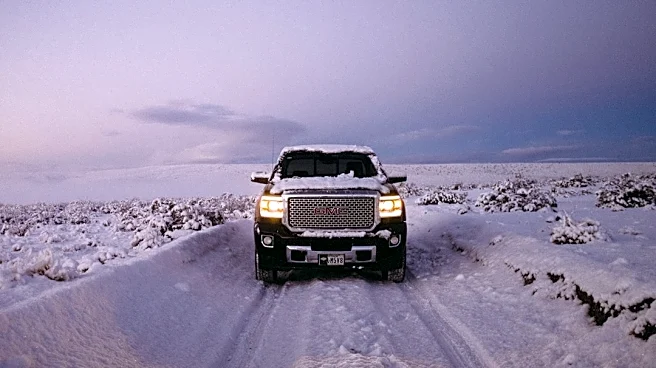
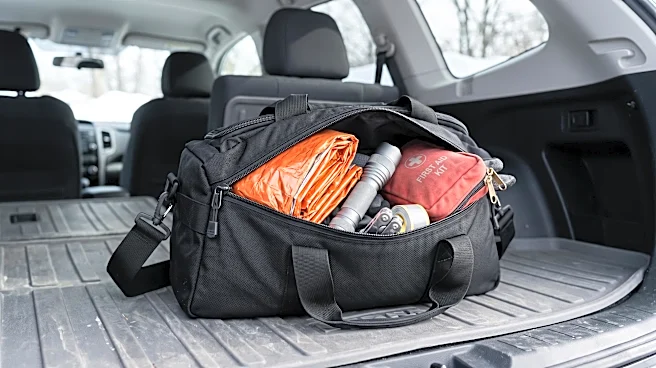
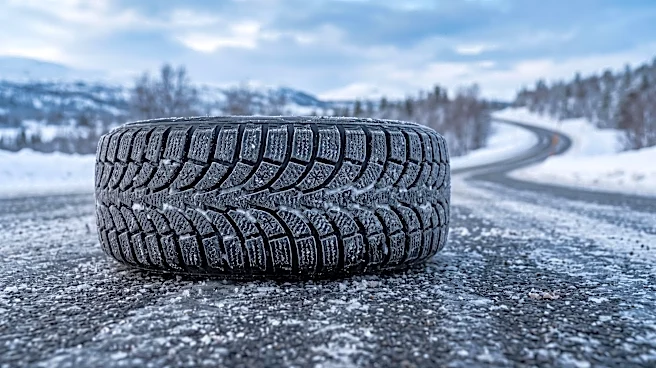
the department emphasizes the need for extra planning and caution. Key recommendations include conducting vehicle safety checks (tires, fluids, lights), packing an emergency kit (blankets, flashlight, first-aid), and planning routes while sharing itineraries with others. For winter driving, Public Safety advises reducing speed, allowing extra travel time, increasing following distance, avoiding sudden movements, clearing vehicles of snow and ice, and using headlights. They also stress avoiding distractions and impaired driving. Travelers are encouraged to use resources like Idaho 511, the National Weather Service, and the Idaho Transportation Department for real-time road and weather information.
Why It's Important?
These travel and driving tips from Idaho State University Public Safety are crucial for ensuring the safety of thousands of individuals traveling during the busy and often hazardous Thanksgiving holiday period. The advice addresses common risks associated with winter travel in Idaho, where conditions can change rapidly and significantly impact road safety. By providing practical guidance on vehicle maintenance, emergency preparedness, and safe driving practices, the university aims to mitigate accidents and reduce the strain on emergency services. This initiative reflects a broader commitment to public safety and well-being, extending beyond campus boundaries to protect its community members during their travels. The emphasis on planning and utilizing available resources also promotes responsible travel behavior, which is vital for collective road safety across the U.S. during peak travel times.
What's Next?
As Thanksgiving break approaches, Idaho State University community members are expected to review and implement these safety tips before embarking on their travels. Public Safety's dispatch center will remain available 24/7 for those staying on campus. The university will likely continue to disseminate these guidelines through various channels to ensure maximum awareness. The effectiveness of these tips will be reflected in the safety outcomes of the holiday travel period. This proactive approach to safety education is a continuous effort, with similar advisories expected for subsequent winter holidays and other peak travel times throughout the academic year. The university's commitment to safety will be ongoing, adapting to seasonal and environmental challenges.
Beyond the Headlines
The issuance of these travel tips by Idaho State University Public Safety highlights a broader institutional responsibility for the well-being of its community, extending beyond academic and campus life. It underscores the proactive role educational institutions can play in public safety, particularly in regions prone to severe weather conditions. This initiative also subtly reflects the increasing complexity of modern travel, where individuals are expected to be highly informed and prepared for various contingencies. The emphasis on checking multiple information sources (Idaho 511, NWS, ITD) points to the digital age's reliance on real-time data for decision-making. Ultimately, these guidelines contribute to fostering a culture of safety and personal responsibility, which is essential for navigating the challenges of contemporary travel and adverse weather conditions.