




What's Happening?
Cuba is facing a severe energy crisis exacerbated by intensified U.S. sanctions that have restricted fuel imports. The Cuban government, led by First Deputy Minister of Energy and Mines Argelio Jesús Abad Vigoa, has responded by increasing domestic oil
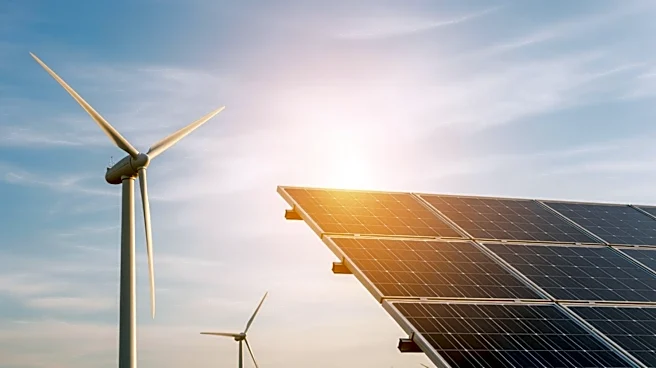
production and expanding renewable energy projects. The country has installed over 10,000 solar systems in homes and vital centers, and developed solar pumping for agriculture. Despite these efforts, Cuba is experiencing significant power deficits due to the lack of fuel, with more than 1,400 MW of installed capacity currently unusable. The government is focusing on renewable energy to reduce dependency on imports and achieve energy sovereignty.
Why It's Important?
The situation in Cuba highlights the challenges faced by countries under economic sanctions, particularly in maintaining energy security. The shift towards renewable energy is crucial for Cuba to mitigate the impact of fuel shortages and sanctions. This transition not only aims to stabilize the national grid but also aligns with global trends towards sustainable energy solutions. The Cuban case underscores the potential of renewable energy to provide resilience against geopolitical pressures, offering a model for other nations facing similar challenges. The success of these initiatives could influence energy policies in other regions, promoting a broader adoption of renewable energy technologies.
What's Next?
Cuba plans to continue expanding its renewable energy capacity, with ongoing projects in solar, wind, and hydroelectric power. The government is also seeking alternative financing and supply options to support these initiatives. As Cuba works towards energy sovereignty, it will likely face continued challenges from sanctions, requiring innovative solutions and international cooperation. The outcome of these efforts could have significant implications for Cuba's economic stability and its ability to withstand external pressures.
Beyond the Headlines
The Cuban energy crisis raises ethical questions about the impact of international sanctions on civilian populations. The intensified embargo has led to widespread power outages, affecting essential services and daily life. This situation highlights the need for a balanced approach to sanctions that considers humanitarian impacts. Additionally, Cuba's focus on renewable energy could drive technological advancements and foster international partnerships in the clean energy sector, potentially opening new avenues for economic development.