




What's Happening?
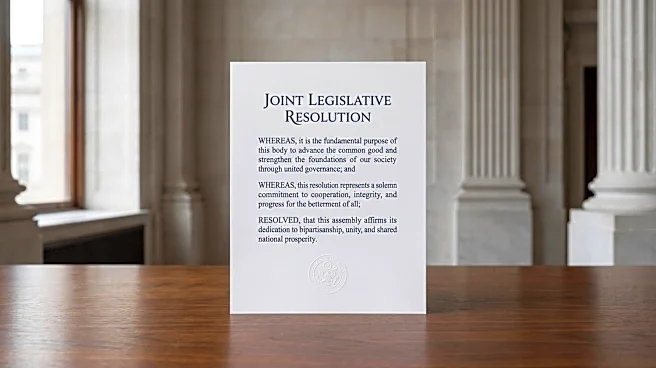
U.S. Rep. Robert Aderholt (R-Haleyville) and U.S. Rep. Danny K. Davis (D-Ill.) have introduced a bipartisan resolution to recognize November as National Adoption Month. The resolution, H.Res. 1660, also designates November 21 as National Adoption Day.
Its purpose is to celebrate families formed through adoption and encourage more Americans to consider adoption throughout the year. The measure has been referred to the House Committee on Education and Workforce and garnered 42 original cosponsors, including six members of Alabama’s House delegation. Both Aderholt and Davis co-chair the Congressional Coalition on Adoption, a bipartisan group dedicated to improving the adoption process and helping children find permanent homes. Since its inception in 2000, National Adoption Day has seen over 95,000 children transition from foster care into permanent families. In Alabama alone, 731 children were adopted from foster care in fiscal year 2025, with 220 children currently awaiting adoption.
Why It's Important?
This bipartisan resolution underscores a critical national issue: the need for permanent homes for children in foster care. By formally recognizing National Adoption Month and National Adoption Day, Congress aims to elevate adoption as a legislative priority and increase public awareness. The involvement of both Republican and Democratic representatives, particularly as co-chairs of the Congressional Coalition on Adoption, highlights the non-partisan nature of child welfare and family unification efforts. This initiative can lead to increased support for foster care and adoption programs, potentially resulting in more children finding stable and loving environments. For children in foster care, this means a greater chance at permanency and well-being. For society, it represents a commitment to strengthening families and addressing the needs of vulnerable youth, which can have long-term positive impacts on communities and future generations.
What's Next?
The resolution, H.Res. 1660, has been referred to the House Committee on Education and Workforce for consideration. The next steps would involve committee review, potential amendments, and a vote before it can move to the full House for a vote. If passed, the resolution would serve as a formal recognition by Congress, reinforcing the importance of adoption. Beyond legislative action, the initiative is expected to continue encouraging public engagement and support for adoption. Organizations and state agencies, such as the Alabama Department of Human Resources, will likely leverage this congressional recognition to further their outreach efforts, providing information and resources to families interested in adopting from foster care. The ongoing work of the Congressional Coalition on Adoption will also continue to advocate for policies that strengthen the adoption process.
Beyond the Headlines
The bipartisan support for this resolution reflects a broader societal consensus on the importance of family and child welfare, transcending typical political divides. This initiative touches upon the ethical responsibility of society to care for its most vulnerable members, particularly children who lack permanent homes. It also highlights the legal and social frameworks that facilitate adoption, aiming to make these processes more accessible and efficient. Culturally, the resolution reinforces the value of adoption as a legitimate and celebrated path to family building. The long-term implications include not only providing stable homes for children but also potentially reducing the strain on the foster care system and contributing to healthier, more integrated communities. The emphasis on legislative priority suggests a sustained effort to address systemic issues within child welfare, moving beyond mere awareness to tangible policy improvements.