






What's Happening?
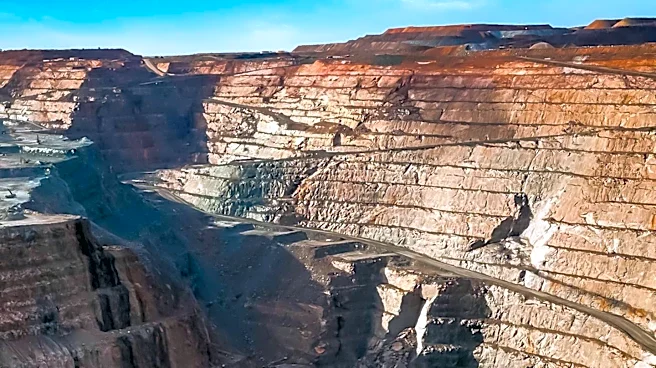
The Mosaic Co., a Florida-based mining company, is among the sponsors of President Trump's Freedom 250, an organization planning the U.S. semiquincentennial celebrations. Mosaic, which mines phosphate and potash for agricultural fertilizers, is seeking
a permit from the U.S. Army Corps of Engineers to expand a waste pile in Florida. This expansion has raised environmental concerns due to the state's vulnerability to hurricanes. The company is currently awaiting a regulatory decision that could significantly impact its operations. The Trump administration has awarded substantial contracts and grants to entities linked to Trump officials and allies for the 250th anniversary planning. Mosaic's involvement has drawn attention due to its pending regulatory issues and the opaque nature of its contributions, which lack oversight.
Why It's Important?
The involvement of Mosaic Co. in funding Freedom 250 highlights the intersection of corporate interests and political influence. The company's financial contributions come at a time when it is seeking regulatory approval for a project with significant environmental implications. This situation underscores concerns about corporate influence over government decisions, particularly when companies have substantial financial stakes. The lack of transparency in these contributions raises questions about the potential for companies to gain favorable treatment from the administration. This case exemplifies broader issues of corporate activism and its impact on public policy, especially in environmentally sensitive areas.
What's Next?
Mosaic Co. is awaiting a decision from the U.S. Army Corps of Engineers regarding its permit application. The outcome will determine the company's ability to proceed with its expansion plans. Environmental groups are likely to continue their legal challenges against the use of phosphogypsum, a byproduct of fertilizer production, due to its hazardous nature. The Trump administration's approach to regulatory approvals, particularly in the context of infrastructure and energy projects, will be closely watched. The broader implications for corporate influence in government decisions may prompt calls for increased transparency and oversight in political contributions.