



What's Happening?
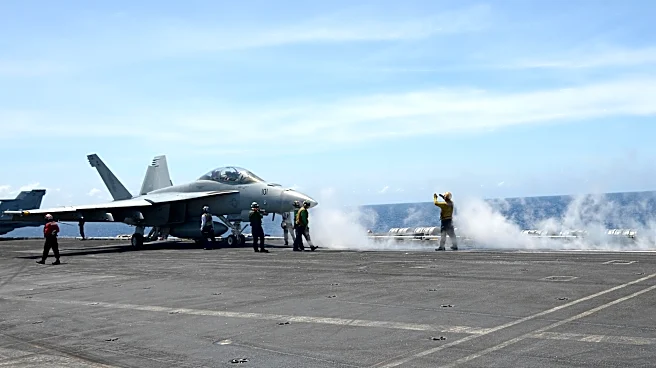
On January 27, 2025, President Trump signed Executive Order 14183, titled “Prioritizing Military Excellence and Readiness,” which reinstated the ban on transgender military service. This order immediately began involuntary separation proceedings for thousands
of transgender service members, including some supporting the Central Intelligence Agency (CIA). Following this, on February 25, 2025, then-Director of National Intelligence Tulsi Gabbard announced the mass firing of 100 transgender intelligence officers. Among those fired were three CIA officers, who were dismissed for participating in an officially sanctioned National Security Agency-run group chat where they had discussed transgender-related issues. These actions are part of a broader dismantling of diversity and inclusion initiatives across the federal government, which began on President Trump's first day in office with Executive Order 14151, terminating all diversity, equity, inclusion, and accessibility activities across the executive branch. This order also led to the banning of ANGLE, the Agency Network for Gay, Lesbian, Bisexual, and Transgender Officers and Allies, for the first time since its inception.
Why It's Important?
These executive orders and subsequent firings mark a significant reversal of policies that had aimed to promote inclusivity within the U.S. intelligence community and military. The reinstatement of the ban on transgender military service and the dismissal of transgender intelligence officers could have profound implications for national security. The source highlights that a memo from agency officers to the director of national intelligence during the first Trump administration outlined the potential damage of such a ban, including the loss of military officers with critical language and technical skills. Furthermore, the targeting of transgender officers for participating in a group chat raises concerns about freedom of expression and the chilling effect it may have on other LGBTQ+ employees. The dismantling of diversity and inclusion offices and the banning of affinity groups like ANGLE could erode institutional memory regarding the importance of inclusion, potentially hindering the CIA's ability to recruit and retain diverse talent essential for its national security mission. This shift could also lead to a decline in morale and trust among federal employees, particularly within the LGBTQ+ community.
What's Next?
The immediate consequence is the involuntary separation of thousands of transgender service members and the dismissal of transgender intelligence officers. The source indicates that a federal judge ruled in February 2025 that the CIA director had the legal authority to terminate these officers without recourse to appeal or reassignment, suggesting limited immediate legal avenues for those affected. The broader implications include a potential chilling effect on all LGBTQ+ employees and potential recruits within the intelligence community and federal government. The CIA has also removed references to LGBTQ+ issues and past diversity initiatives from its website, banned Pride Month celebrations, and restricted the use of pronouns on internal agency email signature blocks. These actions suggest a sustained effort to roll back LGBTQ+ protections and visibility. Observers are drawing parallels to the 'Lavender Scare' of the 1950s, indicating concerns about a systematic purge of a disfavored group from the federal workforce. The long-term impact on the CIA's operational effectiveness and its ability to attract and retain a diverse workforce remains to be seen.
Beyond the Headlines
The current actions against transgender service members and intelligence officers extend beyond policy changes, touching upon deeper ethical and cultural dimensions within federal institutions. The source notes that Executive Order 14168 bars transgender federal employees from using bathrooms matching their gender identity and eliminates nonbinary passport markers, requiring documents to reflect sex assigned at birth. This forces transgender officers to carry credentials that contradict their appearance, creating a liability that can compromise cover, CIA operations, and potentially endanger officers in certain locations. This not only impacts the personal safety and dignity of these individuals but also raises questions about the government's commitment to protecting its employees. The systematic dismantling of diversity and inclusion structures, coupled with the targeting of individuals for discussing transgender-related issues, suggests a shift towards an environment where identity can be a basis for adverse personnel action. This could foster an atmosphere of fear and secrecy, reminiscent of historical periods where federal employees were persecuted for their sexual orientation, potentially undermining the trust and integrity essential for effective intelligence work.