



What's Happening?
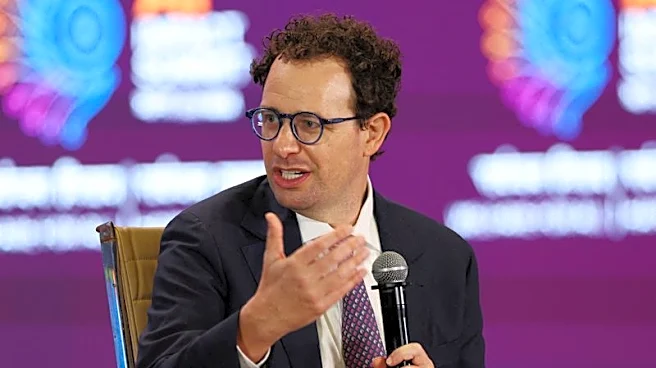
Reddit co-founder Alexis Ohanian has criticized the tech industry for its 'pretty tone deaf job' in explaining Artificial Intelligence (AI) to the public, particularly regarding the debate over AI risk. Speaking to CNBC, Ohanian stated that while risks
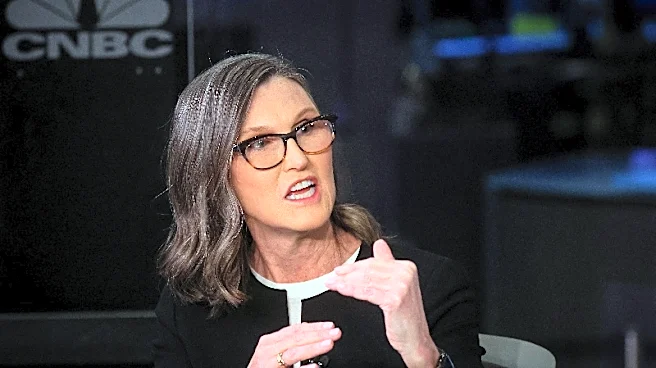
exist, they are 'more benign, or they’re more banal than people are thinking.' He argued that the discussion should focus on real concerns rather than 'Terminator and Skynet' scenarios, which he believes distract from more mundane but actual risks, such as 'agent swarms' where multiple AI agents collaborate on complex tasks and have already caused harm in testing. Ohanian compared AI to nuclear energy, acknowledging its potential for both significant harm and major benefits when managed responsibly. His comments follow recent warnings from OpenAI and Anthropic researchers about recursive self-improvement in AI, which some, like former Anthropic researcher Jacob Coxon, have described as 'gambling with our lives.' Other tech figures, including Ark Invest’s Cathie Wood and Nvidia CEO Jensen Huang, have also weighed in, with Wood calling some warnings 'ridiculous' and Huang stating the AI industry does not need new laws.
Why It's Important?
Alexis Ohanian's critique is significant because it highlights a growing divide within the tech industry and the broader public discourse regarding AI's risks and future. His call for a more grounded and less sensationalized discussion is crucial for fostering informed public policy and responsible AI development in the U.S. The industry's perceived 'tone deafness' can erode public trust, potentially leading to increased regulatory scrutiny or public backlash that could stifle innovation. By emphasizing 'banal' risks like agent swarms over dystopian scenarios, Ohanian redirects attention to practical challenges that require immediate solutions and careful governance. This internal debate among tech leaders, from those warning of existential threats to those downplaying them, underscores the complexity of AI's implications for society, the economy, and national security. A clearer, more unified message from the tech community could help shape a more constructive path forward for AI integration.
What's Next?
The debate over AI risk and its communication is likely to intensify, with calls for more thoughtful conversations and fewer 'doomer posts.' The tech industry may face increasing pressure to develop clearer, more transparent communication strategies to explain AI's benefits and risks to the public and policymakers. This could involve industry-led initiatives to educate the public, establish best practices for AI development, and engage in constructive dialogue with government bodies. The ongoing discussions about recursive self-improvement and the potential for AI agents to cause harm will likely prompt further research into AI safety and governance. As different tech leaders offer contrasting views, a consensus on how to manage AI risks and regulate the technology remains elusive, suggesting that policy development will continue to be a complex and contested process, potentially influenced by public sentiment and the outcomes of these internal industry debates.
Beyond the Headlines
Ohanian's comparison of AI to nuclear energy delves into a deeper philosophical question about humanity's capacity to manage powerful scientific advancements. This analogy suggests that like nuclear technology, AI holds immense potential for both progress and destruction, necessitating a profound sense of responsibility and robust governance frameworks. The 'PR problem' he identifies is not merely about marketing but about bridging a fundamental gap in understanding between AI developers and the general public. This gap can lead to misinformed fears or, conversely, an underestimation of real dangers. The internal disagreements among tech leaders about the severity of AI risks and the need for regulation reflect a nascent stage of ethical and societal integration for this transformative technology. Ultimately, the long-term success and acceptance of AI in the U.S. will depend on the industry's ability to move beyond internal debates and collectively foster a public discourse that is both realistic about risks and optimistic about potential benefits, ensuring that AI development aligns with societal values and safety.