
What's Happening?
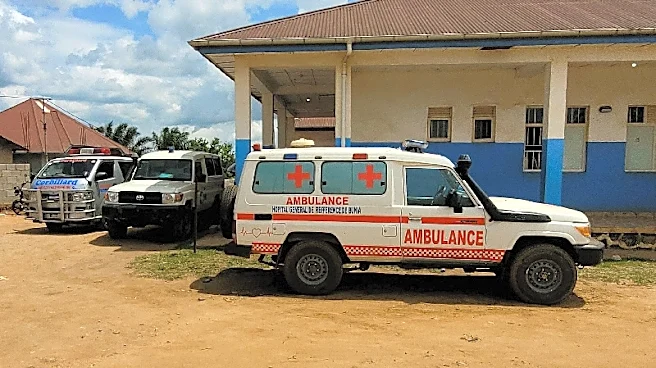
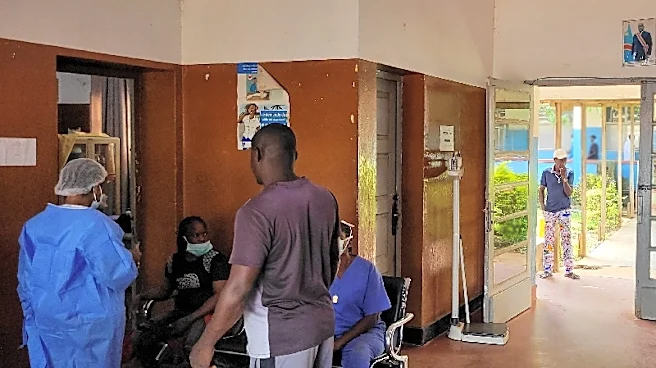
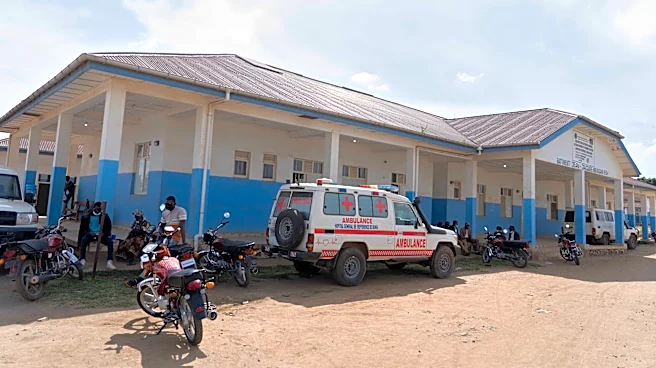
At least six Americans have been exposed to the Ebola virus in the Democratic Republic of Congo, according to sources from international aid organizations. The World Health Organization has declared the outbreak
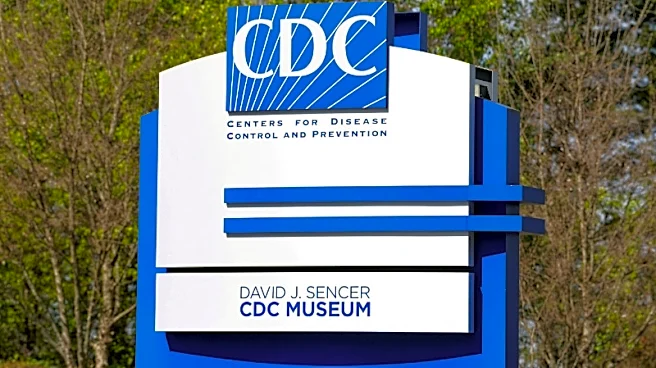
a public health emergency of international concern. The specific virus involved, Bundibugyo, has no vaccine or treatment. The Centers for Disease Control and Prevention (CDC) is supporting the safe withdrawal of affected Americans and has issued travel advisories for Congo and Uganda. The CDC emphasizes that the risk to the American public remains low, but it is closely monitoring the situation and has systems in place to respond to potential public health threats.
Why It's Important?
The exposure of Americans to the Ebola virus in Congo underscores the global nature of infectious disease threats and the importance of international cooperation in health emergencies. The outbreak highlights the need for robust surveillance and rapid response systems to prevent the spread of infectious diseases. The involvement of Americans in the outbreak may prompt increased U.S. engagement and support for international health efforts. The situation also raises questions about the impact of previous U.S. policy decisions on global health preparedness and the ability to respond effectively to international health crises.
What's Next?
The CDC is coordinating with international partners to ensure the safe withdrawal of affected Americans and is implementing additional screening measures at U.S. ports of entry. The U.S. government is working with the governments of Congo and Uganda to contain the virus and mobilize support for international partner organizations. The development of vaccines and treatments for the Bundibugyo variant may become a focus for global health organizations. The international community is likely to increase support for Congo's health infrastructure to manage the outbreak and prevent further spread.