










What's Happening?
In the aftermath of the recent twin earthquakes in Venezuela, relief efforts are underway to address not only injuries but also a surge in chronic illnesses among the affected population. The United Nations has launched an appeal for approximately $300
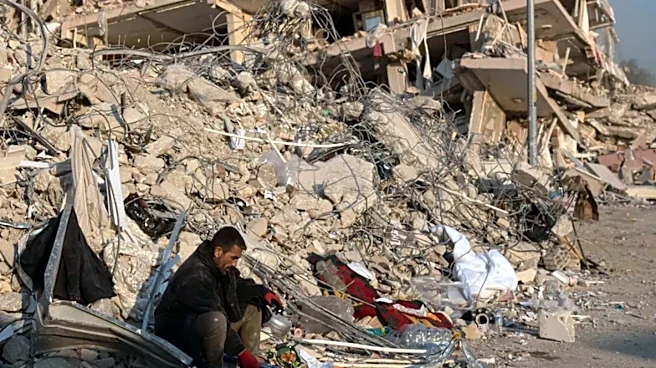
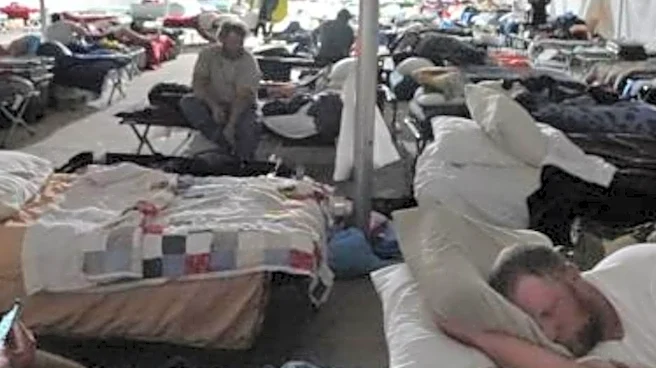
million to aid 1.3 million people in need. In the northern state of La Guaira, where the devastation was most severe, mobile kitchens, clinics, and field hospitals have been set up to provide essential services. UN relief chief Tom Fletcher highlighted the growing need for treatment of chronic conditions such as diabetes and high blood pressure, exacerbated by poor living conditions and inadequate sanitation. The earthquakes, which resulted in the collapse of 190 buildings and damage to 856 others, have left about 18,000 people homeless, forcing them into temporary shelters and public spaces.
Why It's Important?
The situation in Venezuela underscores the complex challenges faced by disaster-stricken regions, where immediate relief efforts must also address long-term health needs. The increase in chronic illnesses among earthquake victims highlights the vulnerability of populations living in precarious conditions, where access to healthcare is limited. The international community's response, led by the United Nations, is crucial in providing the necessary resources to prevent further deterioration of health conditions. This crisis also draws attention to the broader implications of inadequate infrastructure and healthcare systems in managing the aftermath of natural disasters, emphasizing the need for sustainable development and resilience-building in vulnerable regions.
What's Next?
As relief efforts continue, the focus will likely shift towards rebuilding infrastructure and improving living conditions to prevent further health crises. The Venezuelan government, along with international partners, may need to develop long-term strategies to enhance healthcare access and sanitation facilities. Monitoring the effectiveness of current relief measures and adjusting strategies to meet evolving needs will be essential. Additionally, the international community's commitment to providing financial and logistical support will play a critical role in the recovery process, potentially influencing future disaster response frameworks.