






What's Happening?
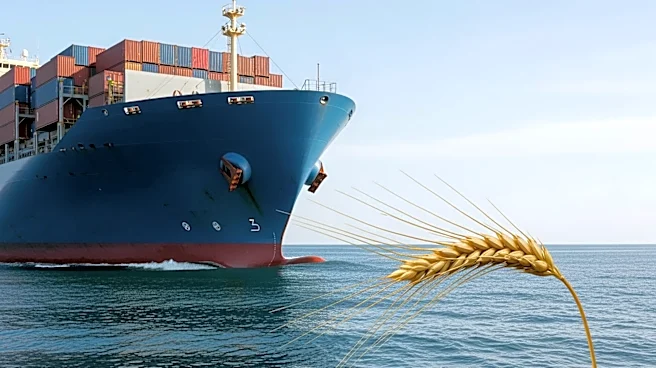
Ukraine has successfully prevented a vessel carrying grain, which it claims was stolen from Russian-occupied territories, from unloading in Israel. The vessel, named Panormitis, was initially set to dock in Israel but was turned away following Ukraine's
diplomatic intervention. Ukraine's prosecutor general, Ruslan Kravchenko, announced that the vessel left Israel's territorial waters after Ukraine took procedural measures. Despite Ukraine's request for legal assistance, Israel's foreign ministry noted that the request contained factual gaps and lacked supporting evidence. Nevertheless, the vessel decided to depart from Israel's waters. Ukrainian Foreign Minister Andrii Sybiha praised the development as a testament to Ukraine's effective legal and diplomatic actions, warning other vessels against engaging in similar activities.
Why It's Important?
This incident underscores the ongoing geopolitical tensions surrounding the export of grain from regions occupied by Russia. Ukraine's actions highlight its commitment to protecting its agricultural resources and asserting its territorial rights. The situation also places Israel in a complex diplomatic position, balancing its relations with Ukraine and the need for concrete evidence in international legal matters. The broader implications affect international trade, as countries may become more cautious in dealing with goods from disputed territories, potentially impacting global grain markets. This development serves as a warning to other nations and companies about the legal and ethical considerations of trading goods from conflict zones.
What's Next?
Ukraine is likely to continue monitoring the vessel and may pursue further diplomatic and legal actions to prevent the sale of what it considers stolen grain. The situation could lead to increased scrutiny of grain shipments from Russian-occupied territories, potentially involving international legal bodies. Israel may seek to clarify its position and procedures for handling similar cases in the future. The incident could also prompt other countries to review their import policies regarding goods from conflict areas, influencing international trade regulations and practices.