





What's Happening?
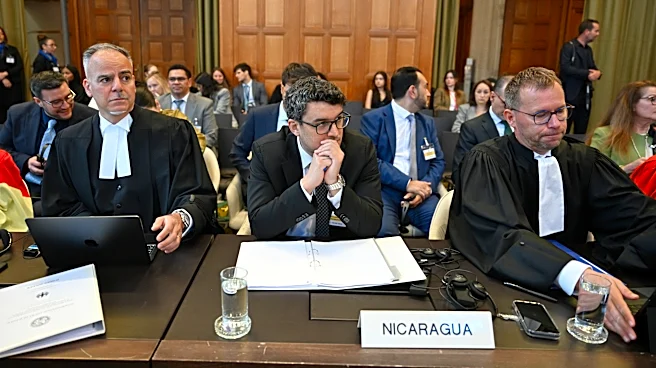
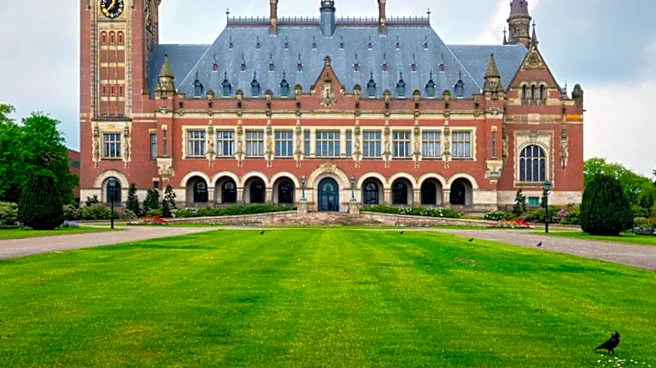
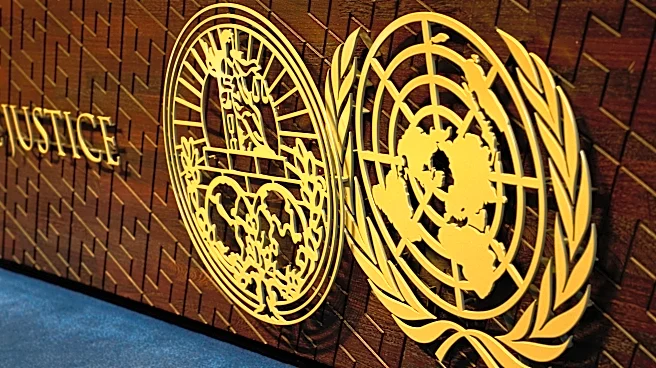
Germany is currently defending itself before the International Court of Justice (ICJ) against accusations from Nicaragua. Nicaragua alleges that Germany is violating the Genocide Convention and international humanitarian law by providing arms and military
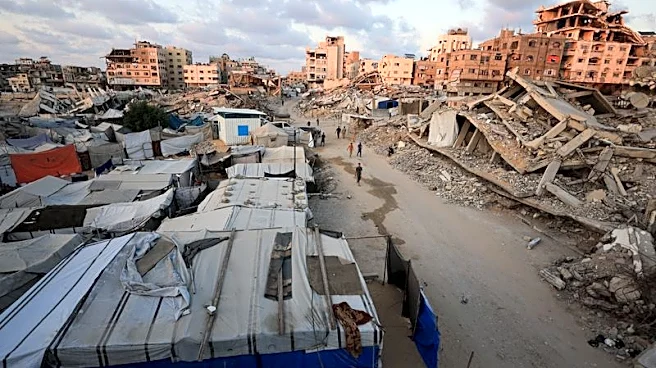
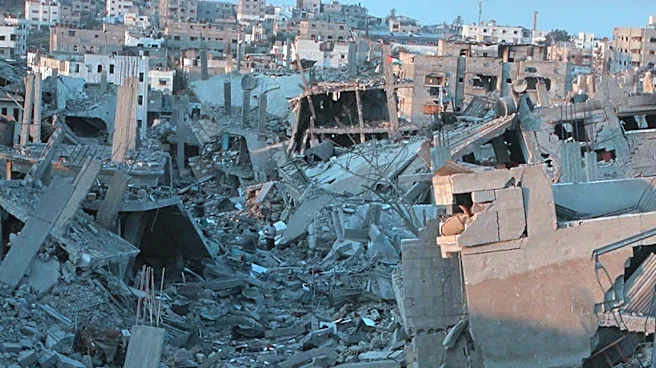
support to Israel, thereby 'facilitating' acts of genocide in Gaza. Germany has countered by arguing that the case should be dismissed because Nicaragua did not provide sufficient prior notice to the German government, rendering the filing improper. This legal challenge highlights the complex interplay between international law, arms exports, and geopolitical conflicts, placing Germany's foreign policy and its role as an arms supplier under intense scrutiny. The case underscores the growing international concern over the conflict in Gaza and the responsibilities of states in preventing genocide.
Why It's Important?
This case is significant as it tests the boundaries of state responsibility under the Genocide Convention and international humanitarian law concerning arms exports. A ruling against Germany could set a precedent for other nations supplying military aid to countries involved in conflicts where allegations of genocide or severe human rights violations have been made. For the U.S., a close ally of both Germany and Israel, the outcome could have substantial implications for its own foreign policy and military aid programs. It could prompt a re-evaluation of how the U.S. and its allies assess the risks associated with arms sales to conflict zones, potentially leading to stricter oversight and more rigorous adherence to international legal frameworks. The case also brings to the forefront the moral and ethical dilemmas faced by nations balancing strategic alliances with humanitarian obligations.
What's Next?
The International Court of Justice will continue to hear arguments regarding the procedural validity of Nicaragua's claim and the substantive allegations against Germany. The court's initial decision will likely focus on whether the case was properly filed, which could determine if the substantive claims of Genocide Convention violations are addressed. Regardless of the immediate outcome, the proceedings are expected to intensify international debate on the legality and ethics of arms transfers to conflict areas. Major stakeholders, including human rights organizations and other nations, will closely monitor the proceedings, potentially influencing future diplomatic efforts and international legal challenges related to arms trade and conflict resolution.
Beyond the Headlines
Beyond the immediate legal arguments, this case delves into the broader ethical and legal responsibilities of states in a globalized world. It challenges the traditional interpretations of neutrality and complicity in international conflicts, particularly when a state's actions, such as arms sales, are perceived to contribute to human rights abuses. The case could redefine the scope of 'facilitation' under international law, potentially expanding the accountability of states for the actions of their allies. This could lead to a long-term shift in international relations, where economic and military partnerships are increasingly scrutinized through the lens of human rights and international humanitarian law, fostering a more cautious approach to arms exports globally.