



What's Happening?
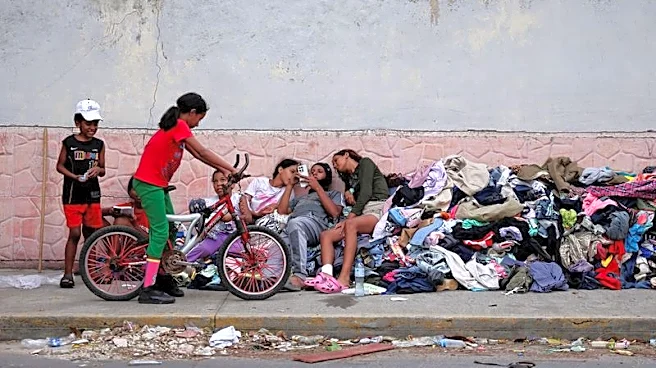
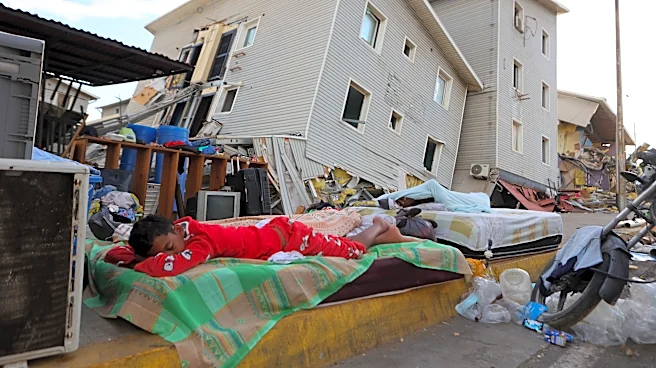
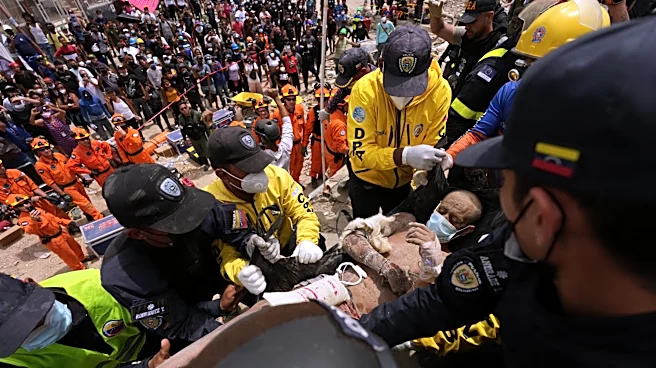
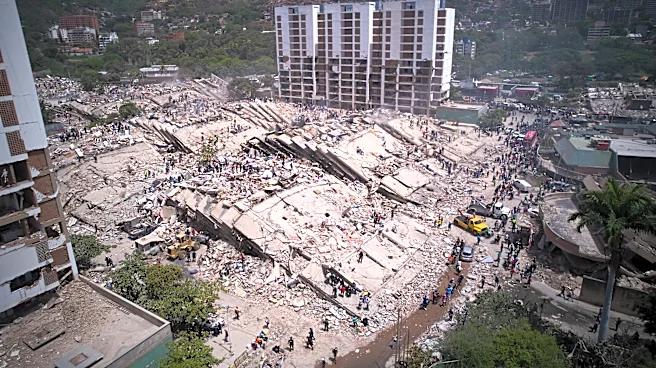
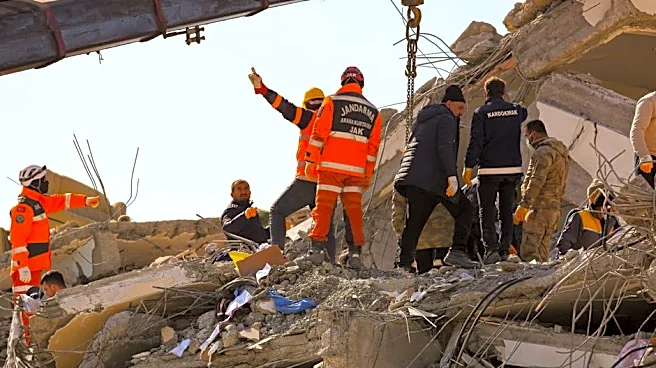
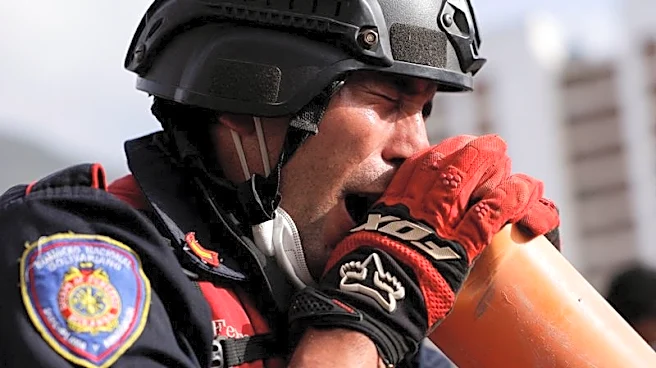
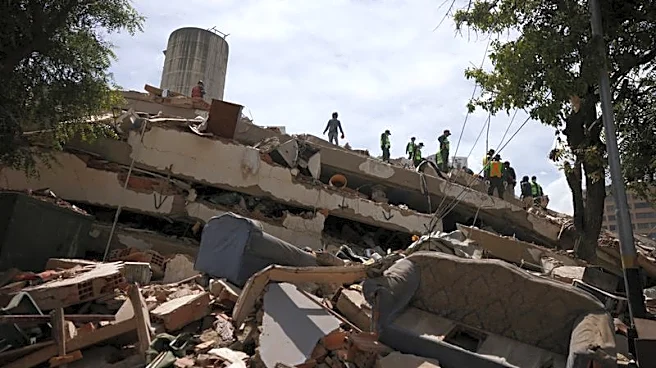
Venezuela is grappling with the aftermath of two devastating earthquakes that have compounded the country's existing healthcare crisis. The earthquakes, with magnitudes of 7.2 and 7.5, have left over 1,700 dead and more than 5,000 injured. Hospitals,
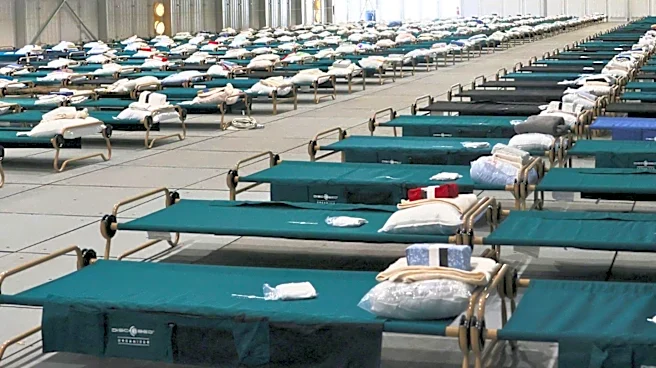
already strained by years of mismanagement and U.S. sanctions, are overwhelmed. Dr. Huníades Urbina-Medina from Dr. José Manuel de Los Ríos Children’s Hospital in Caracas reports severe shortages of medical staff, medicines, and equipment. The situation is exacerbated by a decade-long brain drain of medical professionals seeking better opportunities abroad. The government has extended school closures, and many buildings, including hospitals, are damaged or destroyed.
Why It's Important?
The earthquakes have highlighted the fragility of Venezuela's healthcare system, which has been deteriorating due to economic mismanagement and international sanctions. The crisis underscores the urgent need for international humanitarian assistance and a reevaluation of policies that have contributed to the country's economic collapse. The healthcare system's inability to cope with the disaster could lead to a humanitarian catastrophe, with long-term implications for public health and social stability. The situation also raises questions about the effectiveness of international sanctions and their impact on civilian populations.
What's Next?
As rescue operations continue, the focus will likely shift to rebuilding and strengthening Venezuela's healthcare infrastructure. International aid and cooperation may be necessary to address immediate needs and support long-term recovery efforts. The Venezuelan government may face increased pressure to reform its healthcare policies and improve conditions for medical professionals to prevent further brain drain. The international community will need to balance humanitarian aid with diplomatic strategies to encourage positive change in Venezuela.