






What's Happening?
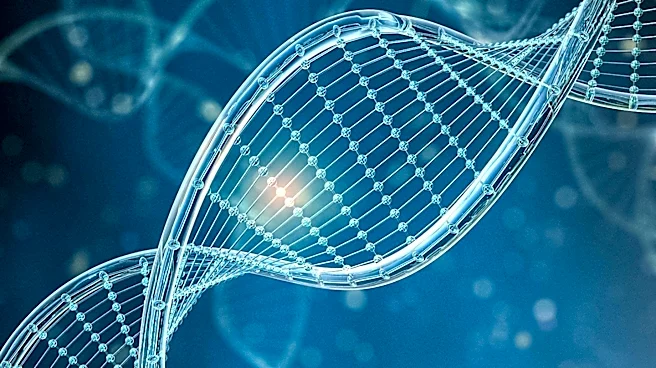
The rapid convergence of artificial intelligence (AI) with biotechnology, including precision gene-editing technologies like CRISPR/Cas9 and synthetic biology, is creating novel biological capabilities that are outpacing existing regulatory frameworks.
Recent advancements, such as AI-designed viruses capable of combating antibiotic-resistant bacteria, highlight both the immense potential and the significant risks of these integrated technologies. Regulators face a challenge because current laws are often structured around specific technologies or organisms, making it difficult to govern new biological capabilities that emerge from combinations of previously separate fields. This issue is compounded by the 'dual use' problem, where technologies designed for beneficial purposes can also be misused or create unforeseen risks. While some regions, like the European Union, are evolving their rules to distinguish between different risk levels in gene technology, a fundamental gap remains in how to regulate the increasingly blurred lines between computational design and biological systems.
Why It's Important?
The inability of regulation to keep pace with AI-driven biotechnology advancements poses significant implications for public safety, ethical considerations, and the future of scientific innovation. Without adequate governance, there is an increased risk of unintended consequences from powerful new biological tools, including the potential for deliberate misuse or the creation of unpredictable biological agents. This regulatory lag could also hinder beneficial research if overly broad restrictions are imposed, or conversely, allow high-risk activities to proceed without sufficient oversight. The challenge lies in finding a balance that supports innovation while effectively managing risks. The current situation highlights a critical need for flexible and adaptive regulatory systems that can evolve alongside technology, ensuring that the benefits of biotechnology are realized responsibly and safely, without stifling scientific progress or exposing society to undue hazards.
Beyond the Headlines
The convergence of AI and biotechnology raises profound ethical and philosophical questions about the nature of life, design, and human intervention in biological systems. As AI becomes more adept at designing and altering entire biological systems, the traditional boundaries of what is considered 'natural' or 'engineered' become increasingly indistinct. This development necessitates a re-evaluation of existing ethical guidelines and regulatory principles, which were not conceived for a world where AI can autonomously generate novel biological entities. The 'dual use' dilemma is particularly acute here, as the same AI algorithms that can design life-saving therapies could also be used to create bioweapons. This situation demands a global, interdisciplinary dialogue involving scientists, ethicists, policymakers, and the public to establish a robust and adaptable governance framework that can navigate these complex moral and practical challenges, ensuring that humanity harnesses these powerful technologies for good while mitigating their inherent dangers.