


What's Happening?
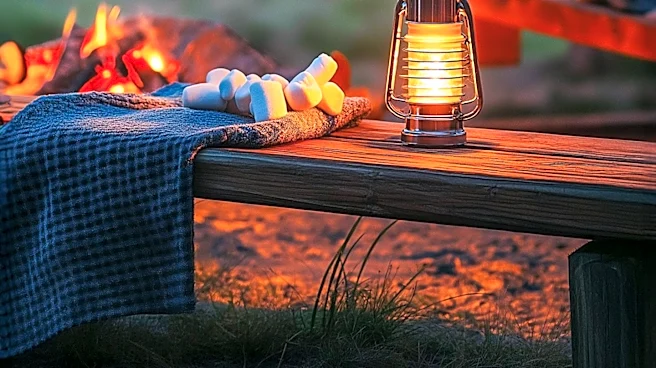
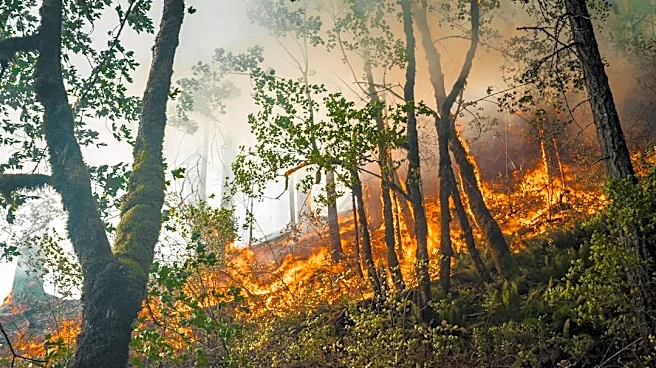
Clallam County has modified its burn ban, which was initially implemented in August. The updated regulations now permit small recreational campfires within established fire rings and the use of charcoal grills on private properties and in campgrounds.
This decision follows the State Department of Natural Resources' revision of the fire risk level for the central lowlands, downgrading it from high to moderate. Fire Marshal George Bailey confirmed that this change in risk level is the determining factor for allowing these specific activities. Recreational campfires are subject to size restrictions, limited to 3 feet in diameter and 2 feet in height. However, bonfires and any other form of open burning continue to be prohibited until the burn ban is fully lifted. The use of charcoal briquettes is also restricted, permitted only in commercially made, listed, and labeled barbecue devices used at a residence. Additionally, target shooting outside of designated gun ranges, along with the use of exploding targets or incendiary ammunition, remains forbidden. Hunting is still allowed in open areas, and the discharge, manufacture, sale, storage, or transportation of fireworks continues to be prohibited. Fire restrictions within Olympic National Park and Olympic National Forest are managed independently of the county's regulations.
Why It's Important?
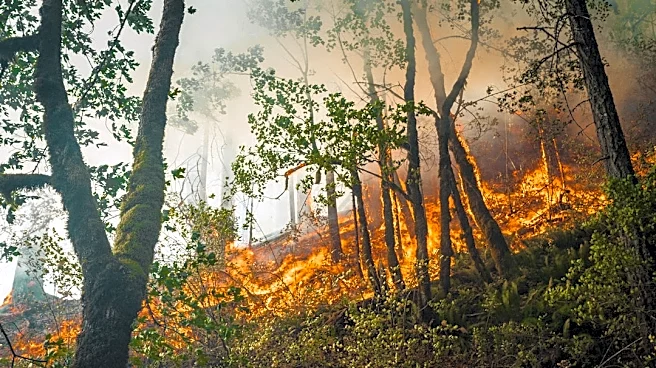
The easing of Clallam County's burn ban carries significant implications for residents and visitors, particularly those engaged in outdoor recreational activities. The ability to have small recreational campfires and use charcoal grills enhances the experience for campers and homeowners, especially as the fire risk level has decreased. This adjustment reflects a responsive approach by local authorities to changing environmental conditions, balancing public safety with recreational opportunities. For local businesses, particularly those catering to tourism and outdoor recreation, this modification could lead to a slight increase in activity as more people feel comfortable engaging in outdoor leisure. Conversely, the continued prohibition of bonfires and other open burning underscores an ongoing commitment to fire prevention, mitigating the risk of larger, uncontrolled blazes that could devastate natural landscapes and properties. The distinction between county regulations and those of national parks and forests highlights the complex, multi-jurisdictional nature of fire management, requiring individuals to be aware of varying rules depending on their location. The restrictions on target shooting and fireworks also emphasize a broader public safety concern beyond just open flames, aiming to prevent accidental fires from other sources.
What's Next?
Clallam County will continue to monitor fire risk levels, and further adjustments to the burn ban are possible. The current modification is based on the State Department of Natural Resources' assessment, and any future changes will likely depend on ongoing environmental conditions, such as weather patterns, drought levels, and vegetation dryness. Residents and visitors should stay informed by regularly checking official county resources for updates on burning restrictions. Fire Marshal George Bailey's statement indicates that the allowance of recreational campfires and charcoal grills is directly tied to the moderate fire risk level, suggesting that a return to high risk could lead to a reinstatement of stricter prohibitions. The full lifting of the burn ban, which would permit bonfires and other open burning, will only occur when conditions are deemed safe enough by authorities. Additionally, the separate management of fire restrictions in Olympic National Park and Olympic National Forest means that individuals planning activities in those areas must consult their specific guidelines, as they may differ from county regulations. Continued public awareness and adherence to the modified rules will be crucial in preventing fire incidents.
Beyond the Headlines
The decision to ease the burn ban in Clallam County reflects a broader societal challenge in balancing public enjoyment of natural resources with environmental protection and safety. As climate patterns shift, local governments face increasing pressure to adapt their policies to dynamic fire risks. This situation highlights the importance of data-driven decision-making, where changes in fire risk levels, as assessed by agencies like the State Department of Natural Resources, directly influence public policy. The nuanced approach, allowing small, controlled fires while prohibiting larger, more unpredictable ones, demonstrates an effort to mitigate risk without entirely curtailing recreational activities. This also brings to light the educational aspect of such bans; residents and visitors must understand not only what is prohibited but also the rationale behind these restrictions to foster compliance and a sense of shared responsibility. The ongoing need for vigilance, even with eased restrictions, underscores the persistent threat of wildfires, particularly in regions with extensive natural landscapes. This scenario serves as a micro-example of how communities must continuously adapt to environmental changes, requiring flexible regulations and informed public participation to safeguard both human interests and ecological integrity.