



What's Happening?
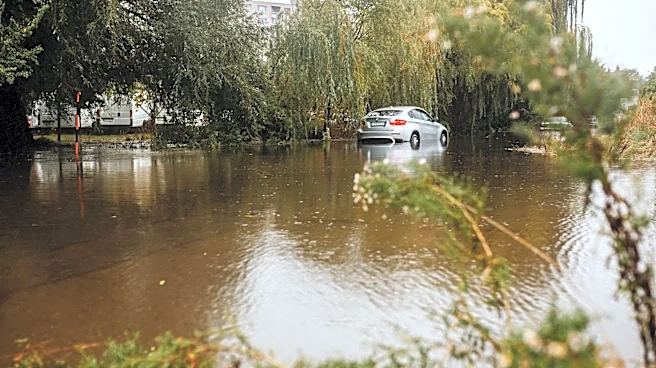
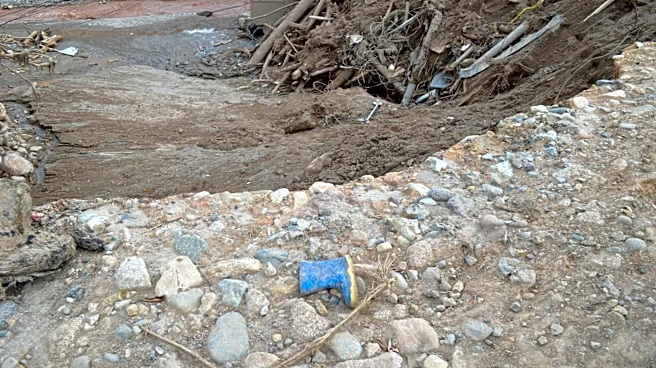
Intense rainfall in Colorado has led to significant flooding and debris flows in areas affected by recent wildfires. The heavy rains have prompted emergency evacuation orders in southern Colorado counties, particularly affecting the Red Mountain Pass
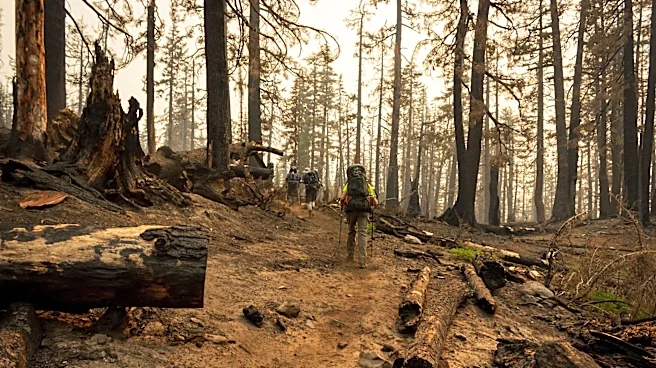
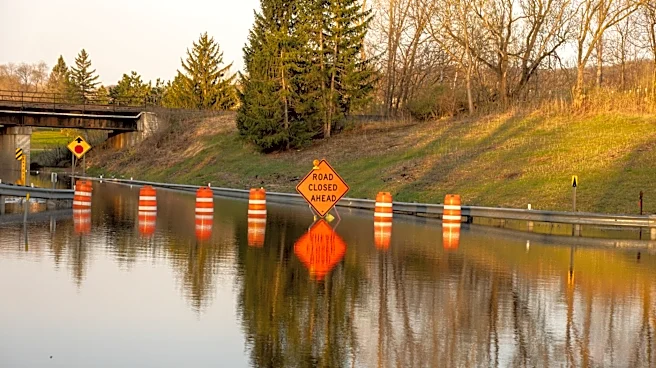
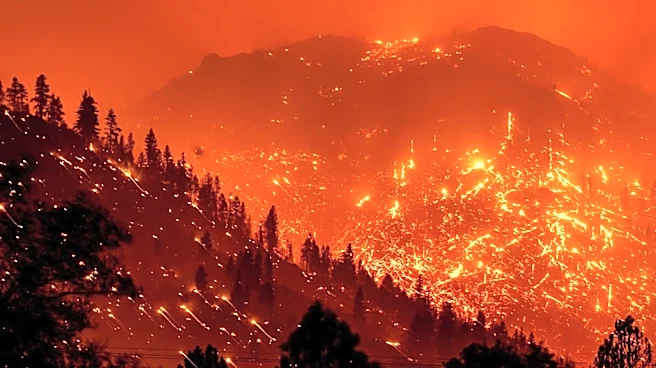
between Silverton and Ouray, which remains closed due to mudslides. The Colorado Department of Transportation is working to clear the roads, but there is no estimated timeline for reopening. The flooding has been exacerbated by the burn scars from the Aspen Acres and Gold Mountain fires, which have left the land vulnerable to erosion and runoff. Residents near the Gold Mountain fire burn scar have been advised to evacuate due to extreme flooding conditions.
Why It's Important?
The flooding in Colorado highlights the ongoing challenges posed by climate change and the increased frequency of extreme weather events. The combination of wildfire burn scars and heavy rainfall creates a dangerous situation, as the lack of vegetation on burned land leads to increased runoff and potential for mudslides. This situation underscores the need for effective land management and emergency preparedness in areas prone to wildfires and subsequent flooding. The economic impact is significant, with road closures affecting transportation and local economies, and the potential for property damage and loss of life remains a concern.
What's Next?
Emergency services are actively working to manage the situation, with efforts focused on evacuating residents and clearing debris from roads. The Colorado Department of Transportation and local authorities will continue to monitor weather conditions and assess the damage. Long-term, there may be discussions on improving infrastructure resilience and land management practices to mitigate the impact of future natural disasters. Residents and local businesses will need to assess the damage and begin recovery efforts once the immediate danger has passed.