



What's Happening?
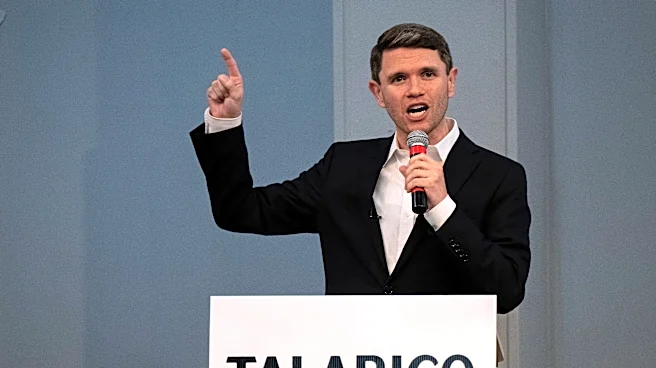
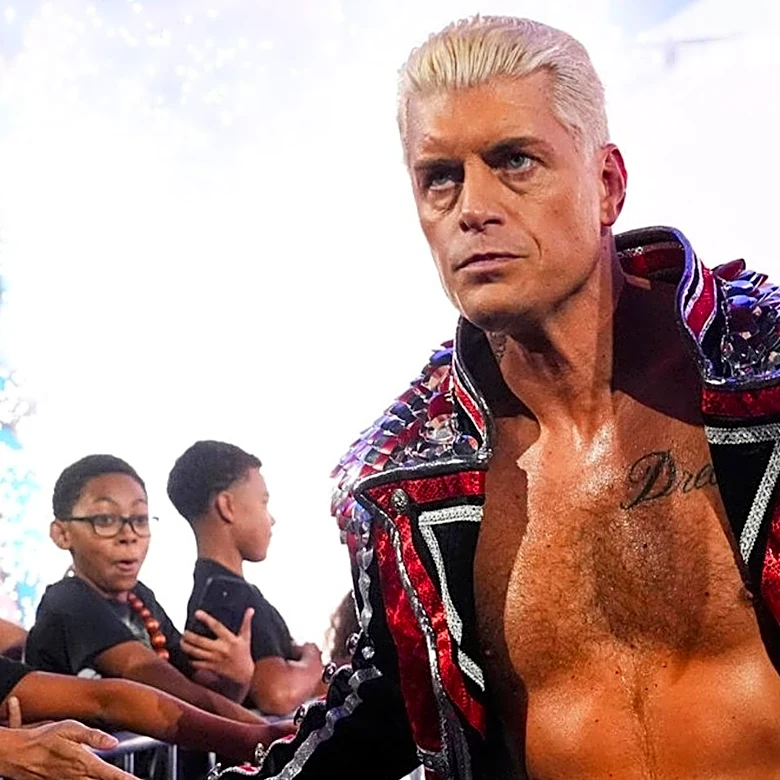
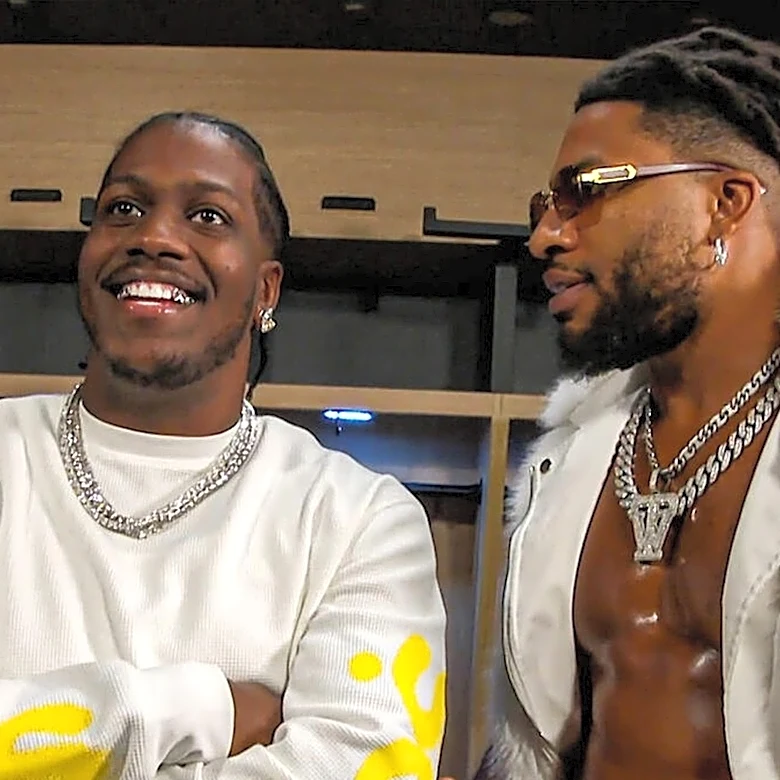
Chris Brown has publicly criticized Texas State Representative Venton Jones for apologizing after presenting Brown with congressional and Texas legislative honors at a recent concert. The recognition, which also involved U.S. Representative Jasmine Crockett,
sparked significant backlash due to Brown's history of domestic violence, including a 2009 felony assault conviction involving his then-girlfriend Rihanna, and other subsequent allegations. Representative Jones issued an apology on social media and in an interview, acknowledging the hurt caused to Black women and survivors of domestic violence. Brown, however, chastised Jones, stating he never requested the honor and accused the lawmaker of apologizing solely to avoid losing voters. U.S. Rep. Crockett has not yet publicly addressed the controversy.
Why It's Important?
This incident highlights the ongoing societal debate surrounding the public recognition of artists with controversial pasts, particularly concerning domestic violence. It underscores the tension between artistic achievement and personal conduct, forcing public officials to navigate constituent expectations and ethical considerations. For politicians like Representative Jones, the decision to honor such figures can lead to significant political fallout, alienating key voter demographics, especially women and advocates against domestic violence. The swift backlash and subsequent apology demonstrate the increased public scrutiny and accountability demanded of elected officials in their public endorsements. Conversely, Brown's reaction reflects a broader sentiment among some public figures who believe their past should not perpetually define their professional accolades, raising questions about rehabilitation versus accountability.
What's Next?
The immediate aftermath will likely involve continued public discussion and potential political repercussions for Representative Jones, particularly as he faces re-election. U.S. Representative Jasmine Crockett's silence on the matter may also draw further scrutiny, potentially pressuring her to issue a statement or clarify her stance. This event could lead to a re-evaluation of criteria for public honors and legislative recognitions, prompting institutions to consider a more thorough vetting process for honorees. For Chris Brown, this incident adds another layer to his complex public image, potentially influencing future public appearances, endorsements, and fan reception. The broader conversation about accountability for past actions by public figures is expected to continue.
Beyond the Headlines
This controversy delves into deeper ethical and cultural dimensions regarding forgiveness, redemption, and the impact of celebrity culture on societal values. It forces a critical examination of whether artistic talent should be separated from personal morality when bestowing public honors. The incident also highlights the power of social media in shaping public discourse and holding elected officials accountable in real-time. Furthermore, it underscores the persistent trauma experienced by survivors of domestic violence when perpetrators are publicly celebrated, raising questions about the responsibility of public figures and institutions to avoid re-victimization. The differing reactions from the lawmakers and Brown also reveal contrasting perspectives on public service, personal responsibility, and the nature of celebrity.