






What's Happening?
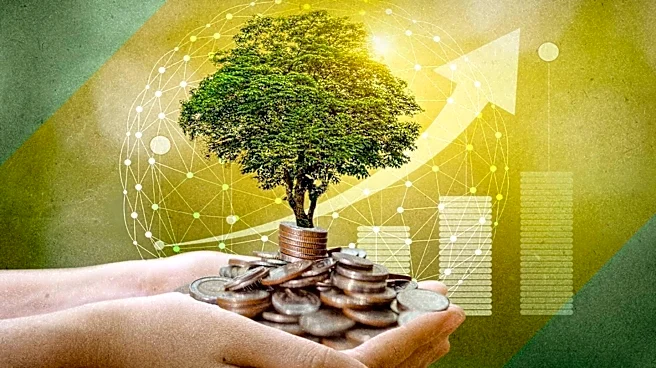
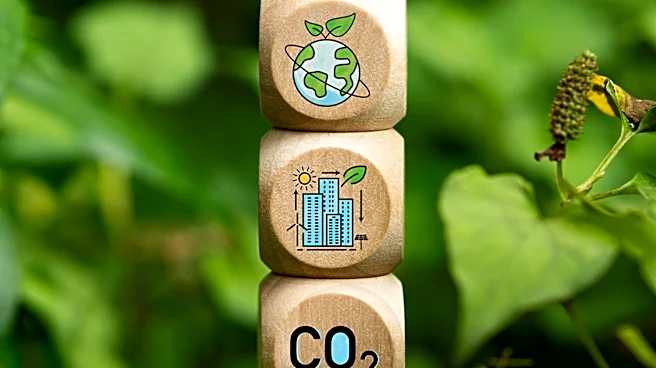
The UN's trade and development agency, UNCTAD, is set to launch a Global Carbon Market Network (GCMN) at COP31 in Turkiye. The primary objective of this new network is to enhance cooperation among fragmented carbon trading systems worldwide and to mobilize
increased investment and finance for climate action, particularly within developing economies. This initiative comes as various countries and international bodies are grappling with the complexities of carbon markets, including the need for high-integrity standards and effective integration into domestic and international policies. The GCMN aims to address these challenges by fostering a more coordinated and robust global carbon market infrastructure.
Why It's Important?
The establishment of the GCMN is a significant step towards strengthening the global response to climate change, especially for developing nations. Fragmented carbon markets can create inefficiencies, reduce transparency, and hinder the flow of much-needed climate finance to regions that are often most vulnerable to climate impacts but have limited resources for mitigation and adaptation. By improving cooperation and standardizing practices, the GCMN can help unlock new investment opportunities, making it easier for developing economies to access funding for climate projects. This initiative is crucial for achieving global climate goals, as it seeks to ensure that carbon markets serve as effective tools for decarbonization and sustainable development, rather than being hampered by inconsistencies and lack of coordination.
What's Next?
The launch of the GCMN at COP31 will mark the beginning of its efforts to bring together various stakeholders, including governments, policymakers, and market participants, to work towards a more integrated global carbon market. The network will likely focus on developing common standards, sharing best practices, and facilitating technical assistance to developing countries. Its success will depend on the willingness of diverse carbon market systems, such as the EU Emissions Trading System (ETS) and China's emissions trading system, to collaborate and align their approaches. The GCMN's ability to mobilize investment and finance will be a key indicator of its impact, as it aims to channel resources into climate projects that deliver tangible emissions reductions and foster sustainable development in developing economies.
Beyond the Headlines
The creation of the GCMN reflects a growing recognition that climate action requires not only technological innovation and policy commitments but also robust financial mechanisms that operate on a global scale. The initiative implicitly acknowledges the current shortcomings of the voluntary carbon market, which, despite its potential, has faced challenges related to integrity, additionality, and equitable distribution of benefits. By focusing on developing economies, the GCMN also addresses the critical issue of climate justice, ensuring that these nations are not left behind in the transition to a low-carbon future. The network's emphasis on coordination and integration could lead to a more resilient and trustworthy global carbon market, potentially setting new benchmarks for how international cooperation can drive effective climate finance and accelerate the transition to a sustainable global economy.