





What's Happening?
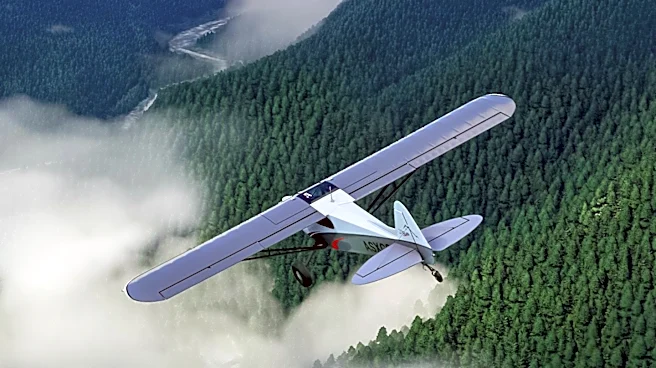
Four adults died after a small Piper PA-24 plane crashed into the Seldovia Slough in Alaska on Wednesday afternoon. Alaska State Troopers were notified of the crash at 1:18 p.m. The aircraft, which was en route to Seldovia from Merrill Field Airport in Anchorage,
sank completely in the water. Rescue efforts involved a helicopter crew from Anchorage and troopers arriving by boat from Anchor Point. The bodies of the four deceased adults were recovered from inside the plane around 6:30 p.m. after the tide level receded. The pilot has been identified as 68-year-old Eric Middlebrook of Alaska. The other three victims were identified as Ronald Schmidt, 65, Lance Schmidt, 20, and Daniel Simons, 82, all from California. The cause of the crash has not yet been determined. Seldovia City Manager Heidi Geagel confirmed the incident occurred near the airport.
Why It's Important?
This incident highlights the inherent risks associated with small aircraft travel, particularly in remote and challenging geographical areas like Alaska. The immediate loss of four lives underscores the severe consequences of aviation accidents. For the families of the victims, this represents a profound tragedy, impacting communities in both Alaska and California. The involvement of multiple state agencies in the recovery operation demonstrates the coordinated effort required for such incidents in remote locations. Furthermore, the ongoing investigation into the crash's cause is crucial for identifying potential safety issues, which could lead to recommendations for improved aviation safety protocols or regulations, affecting general aviation pilots and passengers nationwide. The incident also draws attention to the unique environmental factors, such as tidal waters, that can complicate rescue and recovery efforts.
What's Next?
The bodies of the four victims are being transported to the State Medical Examiner’s Office for autopsy to determine the exact causes of death. The National Transportation Safety Board (NTSB) will likely lead a comprehensive investigation into the crash to ascertain its cause. This investigation will involve examining the aircraft's wreckage, reviewing maintenance records, analyzing flight data if available, and interviewing any witnesses or air traffic control personnel. The findings from this investigation could result in new safety recommendations for Piper PA-24 aircraft or for flight operations in similar Alaskan conditions. Depending on the outcome, there could be implications for aviation insurance, pilot training, and aircraft inspection procedures. The Seldovia community will also be grappling with the aftermath of this tragic event.
Beyond the Headlines
Beyond the immediate tragedy, this crash may prompt a broader discussion on the safety standards and regulatory oversight for small aircraft operating in remote and often harsh environments. Alaska's vast and rugged terrain, coupled with its unique weather patterns, presents distinct challenges for aviation, making small planes a vital but sometimes perilous mode of transport. The incident could reignite conversations about the adequacy of current emergency response capabilities in remote areas and the resources available for search and rescue operations. It also subtly underscores the interconnectedness of communities across states, as victims from California were traveling in Alaska. The human element of such disasters, including the psychological impact on first responders and the affected communities, often extends far beyond the initial news cycle.