
What's Happening?
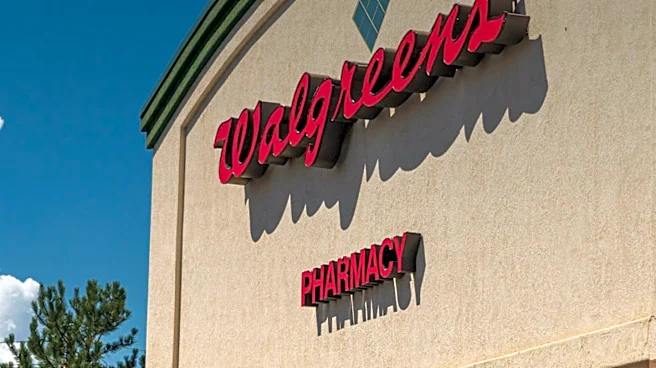
More than 500,000 Walgreens-branded eye-drop products are being recalled due to sterility concerns, as part of a larger recall encompassing nearly 750,000 eye-care products. Sterling Pharmaceutical Services
LLC initiated the recall on August 20, citing a 'lack of assurance of sterility.' The U.S. Food and Drug Administration (FDA) classified this as a Class II recall on September 21, indicating that exposure to the affected products may lead to temporary or medically reversible health consequences, with the probability of serious health consequences being remote. The Walgreens-branded items involved include approximately 301,114 bottles of Walgreens Lubricant Eye Drops and 199,600 twin packs. The broader recall also extends to eye-care products distributed under other brands such as AvKare, Reliable-1 Laboratories, Cameron Pharmaceuticals, TRP The Relief Products, and Major.
Why It's Important?
This recall is significant for public health and consumer safety in the U.S., as ophthalmic products pose a heightened risk due to their direct application to the eyes, bypassing some of the body's natural defenses. The FDA emphasizes that eye drops must be sterile to mitigate the risk of infection, making any sterility concerns a serious matter. For Walgreens and other implicated brands, this recall can lead to substantial financial costs, including product retrieval, potential lawsuits, and damage to brand reputation. Consumers who have purchased these products face inconvenience and potential health risks, necessitating vigilance and adherence to recall instructions. The incident also highlights the critical importance of stringent quality control and manufacturing standards within the pharmaceutical and over-the-counter drug industries to ensure product safety.
What's Next?
Consumers who have purchased the recalled eye drops are advised to discontinue use immediately and follow instructions for returning the products. The FDA will likely continue its oversight to ensure that all affected products are removed from the market and that manufacturers implement corrective actions to prevent future sterility issues. Sterling Pharmaceutical Services LLC and the other distributors involved will need to conduct thorough investigations into the root cause of the sterility lapse and implement enhanced quality assurance protocols. This event may also prompt increased scrutiny from regulatory bodies on the manufacturing processes of ophthalmic products across the industry. Retailers, including Walgreens, will need to manage customer inquiries and returns while reinforcing their commitment to product safety.
Beyond the Headlines
This recall underscores the complex challenges in maintaining sterility for pharmaceutical products, particularly those applied to sensitive areas like the eyes. It brings to light the intricate supply chains and manufacturing processes that must adhere to rigorous standards to protect public health. The incident could lead to a broader re-evaluation of quality control measures and supplier auditing practices within the pharmaceutical sector. Furthermore, it highlights the ongoing tension between cost-efficiency in manufacturing and the absolute necessity of product safety. For consumers, such recalls can erode trust in over-the-counter medications, potentially leading to increased skepticism and a greater demand for transparency from manufacturers and retailers regarding product origins and safety testing.