




What's Happening?
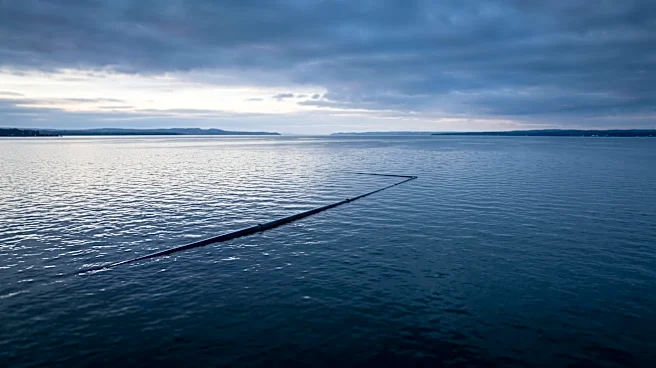
Governor Gretchen Whitmer and the Michigan Department of Environment, Great Lakes and Energy (EGLE) are re-evaluating permits issued for the Line 5 tunnel project. This reconsideration follows a recent Michigan Supreme Court decision that mandates a more
rigorous environmental review process. Governor Whitmer has also renewed her call for Enbridge Energy to shut down the existing Line 5 pipeline, which runs under the Straits of Mackinac, within months. The tunnel project, originally slated for completion by 2024, is significantly behind schedule. EGLE had issued key permits for the tunnel on July 15, but a subsequent Supreme Court ruling on July 31 vacated a separate permit from the Michigan Public Service Commission, citing inadequate consideration of environmental impacts and alternatives. While EGLE's permit has not been revoked, conditions prevent construction until legal questions are resolved.
Why It's Important?
This development is significant for environmental policy and energy infrastructure in the U.S., particularly in the Great Lakes region. The Michigan Supreme Court's ruling sets a higher standard for environmental impact assessments, potentially influencing future infrastructure projects across the state and beyond. For Enbridge Energy, the renewed scrutiny and calls for shutdown create substantial uncertainty for its operations and investment in the Line 5 tunnel. Environmental groups and local communities concerned about potential oil spills in the Great Lakes view this as a critical step towards protecting a vital freshwater resource. The ongoing legal battles and regulatory shifts highlight the tension between energy security needs and environmental protection, impacting both the energy industry and public policy debates on pipeline safety and alternative energy solutions.
What's Next?
The Michigan Public Service Commission will now be required to rework its review of the Line 5 tunnel project, which is expected to cause further delays, potentially adding years to the project timeline. Enbridge Energy faces increased pressure to consider alternatives for transporting petroleum products, as Governor Whitmer has urged them to pursue solutions that do not rely on the existing Line 5 or the proposed tunnel. Legal battles between the state of Michigan and Enbridge are ongoing, with the state appealing a federal court ruling that favored Enbridge. Attorney General Dana Nessel's separate state court case seeking a shutdown is currently paused. Stakeholders, including environmental advocates and energy industry representatives, will closely monitor these legal proceedings and regulatory decisions, which will determine the future of Line 5 and potentially set precedents for similar infrastructure projects.
Beyond the Headlines
The Line 5 controversy delves into deeper implications concerning state sovereignty versus federal authority over interstate pipelines, a recurring legal and political debate in the U.S. The Michigan Supreme Court's emphasis on thorough environmental scrutiny reflects a growing public and judicial demand for greater accountability in infrastructure development, especially concerning critical natural resources like the Great Lakes. This case could serve as a precedent for other states seeking to exert more control over pipelines within their borders, potentially leading to a patchwork of regulations that complicate national energy policy. Furthermore, the prolonged dispute highlights the ethical considerations of balancing economic interests and energy supply with long-term environmental risks, prompting broader discussions about transitioning to more sustainable energy sources and the true cost of fossil fuel infrastructure.