


What's Happening?
Vera Wang, a senior at Kaiser High School in East Honolulu, has discovered that fungi found in coconut husks possess the ability to biodegrade plastic and sunscreen. This breakthrough earned her multiple awards at the Hawaiʻi State Science & Engineering
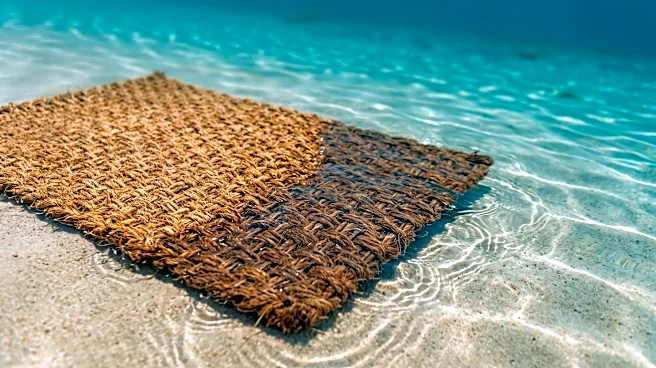
Fair and qualified her for the International Science & Engineering Fair. Wang's research began during her sophomore year when she designed an ocean filter made from coconut byproduct waste, inspired by traditional Polynesian weaving, to remove pollutants from surface water. Realizing the need for responsible disposal of these pollutants, she explored the fungal communities within coconut husks. Her experiments in Anthony Amend’s lab at the University of Hawaiʻi at Mānoa revealed that these fungi can decompose sunscreen and plastic. Genetic testing further indicated that some of these fungal species might be previously uncharacterized, as they did not match any entries in the world's largest reference database of known genes and genomes. The presence of tannin compounds in the coconut fibers is believed to encourage the growth of these complex degraders.
Why It's Important?
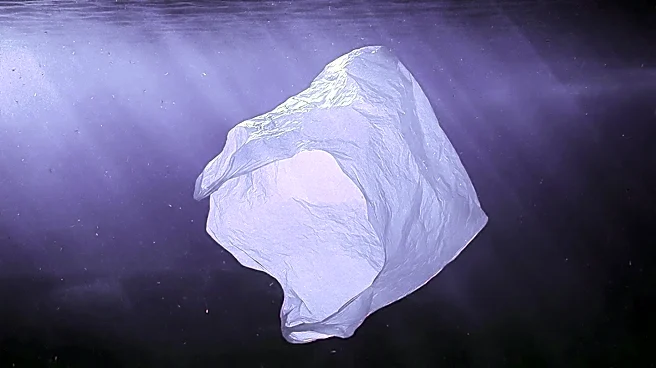
This discovery holds significant implications for environmental conservation and waste management, particularly in coastal regions and for the U.S. tourism industry. The ability of coconut fungi to biodegrade microplastics and sunscreen offers a natural, sustainable, and cost-effective solution to ocean pollution, which is a growing global concern. Microplastic pollution affects marine ecosystems, wildlife, and potentially human health through the food chain. Sunscreen chemicals are also known to harm coral reefs and marine life. By utilizing readily available coconut husk waste, this method could reduce landfill burden and provide a circular economy approach to pollution control. For U.S. states like Hawaii, heavily reliant on healthy marine environments for tourism and local economies, this innovation could lead to cleaner beaches and healthier oceans, enhancing their appeal and protecting vital natural resources. The potential identification of new fungal species also contributes to scientific understanding of biodegradation processes and biodiversity.
What's Next?
Vera Wang is set to participate in the International Science & Engineering Fair in Arizona, where her findings will be presented to a broader scientific community. Further research will likely focus on characterizing the newly identified fungal species and optimizing their biodegradation capabilities for large-scale application. This could involve developing methods for cultivating these fungi efficiently and integrating them into existing waste treatment or ocean cleanup initiatives. Collaboration between academic institutions, environmental organizations, and potentially commercial entities could lead to pilot programs for implementing this technology in affected coastal areas. The next steps will also involve exploring the full spectrum of pollutants these fungi can degrade and assessing the environmental impact of their byproducts. The success of this project could inspire other young scientists to pursue innovative solutions to pressing environmental challenges.
Beyond the Headlines
The discovery by Vera Wang highlights the critical role of youth in scientific innovation and environmental stewardship. It underscores the potential for nature-based solutions to complex environmental problems, moving beyond conventional chemical or mechanical approaches. The use of coconut husk, a common agricultural waste product, exemplifies a circular economy principle where waste from one industry becomes a valuable resource for another. This approach could foster local economies in coconut-producing regions by creating new industries around waste utilization. Furthermore, the potential for previously uncharacterized fungal species suggests that much remains unknown about the natural world's capacity for biodegradation. This could open new avenues for research into microbial communities and their ecological functions, potentially leading to more discoveries in bioremediation and sustainable technologies. The story also serves as an inspiring example of how local observations and traditional knowledge (like Polynesian weaving) can inform modern scientific inquiry.