






What's Happening?
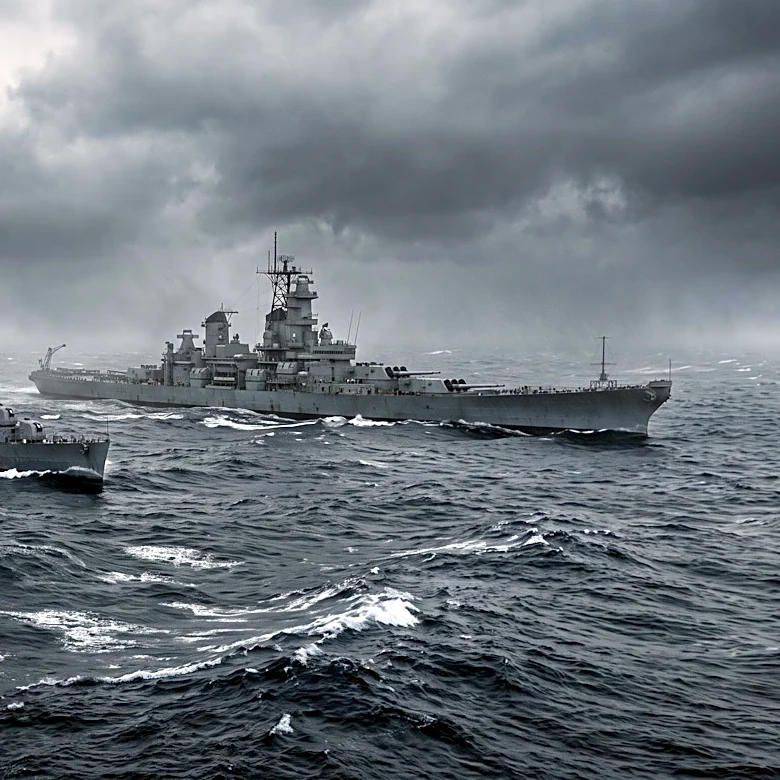
In the summer of 1776, General George Washington faced a critical dilemma regarding the defense of New York City. General Charles Lee had previously warned that 'Whoever commands the sea must command the town,' a statement that proved prescient as the British
gained naval superiority by the end of June. Despite this, Washington felt compelled to defend New York. The British began landing thousands of troops and German mercenaries on Long Island on August 22. Washington reinforced Long Island but also kept troops in Manhattan, a risky division of forces against a superior enemy. British intelligence discovered a critical vulnerability in the American defenses: the Jamaica Pass, a far eastern pass along the Heights of Guan, was left largely unguarded. On August 26, a British column of ten thousand men exploited this weakness, outflanking the American forces. The following morning, August 27, the British launched a diversionary attack, while their main army, having bypassed American lines, advanced towards Brooklyn Heights. This led to the Battle of Long Island, the largest engagement of the Revolutionary War, resulting in significant American casualties and captures.
Why It's Important?
The Battle of Long Island, and General Charles Lee's earlier assessment, highlights a critical strategic challenge for the nascent American forces during the Revolutionary War: the overwhelming power of the British navy. Lee's observation underscored the vulnerability of coastal cities like New York to a dominant sea power, a factor that profoundly influenced military decisions and outcomes. The battle itself was a significant early defeat for the Continental Army, demonstrating the superior training and numbers of the British and Hessian forces. This event forced General Washington to execute a daring and successful nighttime evacuation of his troops from Long Island to Manhattan, preserving the Continental Army from potential annihilation. This retreat, though born of defeat, was crucial for the continuation of the American resistance, preventing an early end to the rebellion and allowing the Continental Army to regroup and fight another day. The strategic lessons learned from this battle, particularly regarding naval control and the importance of intelligence, would shape future American military planning.
What's Next?
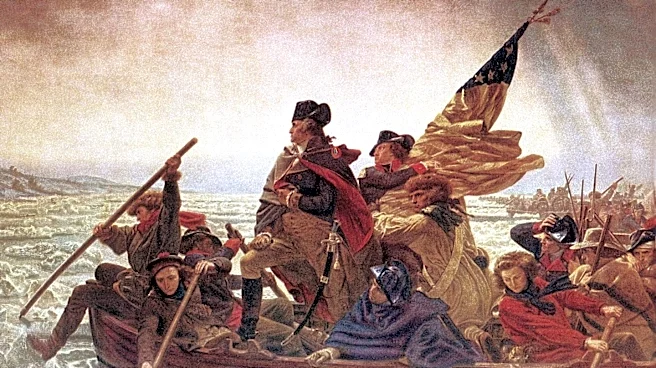
Following the significant American losses at the Battle of Long Island, General Washington ordered fresh regiments from Manhattan to reinforce the lines, though he recognized the precariousness of his position. The immediate next step was a daring secret evacuation of 9,500 men, heavy artillery, and supplies across the mile-wide East River from Brooklyn to Manhattan. This operation, conducted under the cover of heavy rain and later dense fog, was critical to prevent the British fleet from trapping the entire American force on Long Island, which would have effectively crushed the rebellion. The successful evacuation, where Washington himself was on the last vessel, allowed the Continental Army to survive and continue the fight for independence. The British, despite their victory, failed to capitalize on their advantage by allowing Washington's army to escape, prolonging the war for another seven years. This event set the stage for subsequent engagements in the New York campaign and the broader Revolutionary War.
Beyond the Headlines
The Battle of Long Island, and the strategic insights of figures like General Charles Lee, reveal the complex interplay of military strategy, geography, and leadership during the American Revolutionary War. Lee's early recognition of British naval dominance underscored a fundamental challenge that would plague American forces throughout the conflict. The battle itself, while a tactical defeat, became a testament to Washington's leadership and the resilience of the Continental Army, particularly through the successful evacuation. This event also highlights the human cost of war, with Washington's anguished cry, 'Good God! What brave fellows I must this day lose!' reflecting the profound personal toll on commanders. The British general's premature expectation of being 'home by Christmas' after the victory illustrates a common underestimation of the American resolve and the protracted nature of the conflict. The battle's outcome, despite being a loss, ultimately contributed to the long-term American strategy of attrition and survival, which eventually led to independence.