





What's Happening?
As winter approaches and the first official freeze warning has been issued, residents in Mankato, Minnesota, and the surrounding Southern Minnesota region are being advised on strategies to lower their energy bills. Experts recommend maintaining indoor
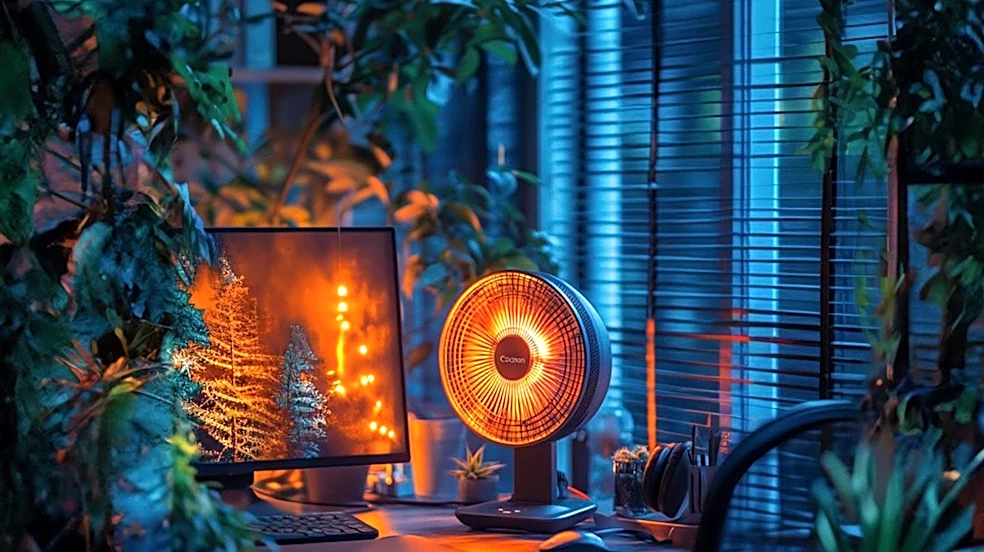
thermostat temperatures between 65 and 70 degrees Fahrenheit during the day and lowering them at night. Other practical tips include opening blinds to utilize natural sunlight for heating and ensuring large appliances are energy-efficient. Anna Thill, Excel Energy’s Community Relations Manager for Mankato and Southern Minnesota, specifically suggested insulating water heaters to prevent heat loss and regularly cleaning furnace air filters to ensure furnaces operate efficiently without excessive strain. Additionally, consumers are encouraged to consider investing in smart thermostats, which can save between $50 and $100 annually, and to run appliances during off-peak hours if their utility provider offers time-of-use rates.
Why It's Important?
The advice on energy-saving measures is particularly important for U.S. households as winter weather typically leads to increased energy consumption and higher utility bills. For residents in regions like Southern Minnesota, where temperatures drop significantly, these tips can translate into tangible financial savings, helping to mitigate the impact of rising energy costs. The emphasis on simple, actionable steps—such as thermostat adjustments, appliance maintenance, and leveraging natural light—empowers consumers to take control of their energy usage. Furthermore, the mention of time-of-use rates and smart thermostats highlights evolving energy management strategies that can benefit both consumers and the broader energy grid by encouraging more efficient energy consumption patterns.
What's Next?
As temperatures continue to drop, residents are expected to implement the recommended energy-saving practices. Utility companies like Excel Energy may continue to promote programs such as time-of-use rates to encourage off-peak energy consumption. The adoption of smart thermostats is likely to increase as consumers seek long-term solutions for managing energy costs. Community outreach and educational campaigns from energy providers and local authorities will likely persist to ensure residents are well-informed about available resources and strategies to reduce their energy footprint. The ongoing focus will be on helping households prepare for and navigate the financial challenges associated with winter heating demands.
Beyond the Headlines
The push for energy conservation in Minnesota reflects a broader national trend towards energy efficiency and sustainability. Beyond immediate cost savings, these practices contribute to reduced overall energy demand, which can lessen the strain on power grids and potentially decrease the need for new energy infrastructure. This also aligns with environmental goals by lowering carbon emissions associated with energy production. The emphasis on individual actions, such as insulating water heaters and cleaning furnace filters, underscores the collective impact of small-scale efforts on larger energy systems. It also highlights the importance of consumer education in fostering a more energy-conscious society, promoting resilience against fluctuating energy markets and contributing to long-term environmental stewardship.