




What's Happening?
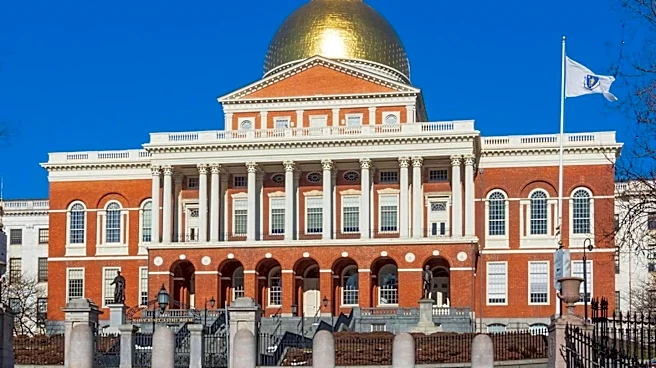
The Massachusetts Senate has approved a $2.62 billion supplemental budget for fiscal year 2026, aimed at closing out the financial books for the year. The budget, sponsored by Democratic leadership, includes significant allocations for various state services.
Key provisions include $1.8 billion for MassHealth, the state's Medicaid program, $159 million for snow and ice removal costs, and $54.5 million for Department of Transitional Assistance caseworkers. Additionally, the budget allocates $18.5 million for subsidized early education, $13.8 million for the Massachusetts Office of Victim Assistance, $2 million for fair housing enforcement, and $14 million for substance addiction programs. A section also aims to simplify the cancellation process for online subscriptions. Senate President Karen Spilka emphasized that the budget upholds essential services for residents, supporting families, crime victims, and those facing housing discrimination. The House has already passed its own version of a supplemental budget, and a conference committee will be appointed to reconcile the differences.
Why It's Important?
This supplemental budget is crucial for the continued operation and funding of vital state services in Massachusetts. The substantial allocation to MassHealth highlights the ongoing commitment to healthcare for low-income and disabled residents, impacting a significant portion of the population. Funding for snow and ice removal directly affects public safety and infrastructure, particularly in a state prone to severe winter weather. The investment in early education and victim assistance programs addresses critical social needs, supporting vulnerable populations and promoting community well-being. The provision for fair housing enforcement underscores efforts to combat discrimination and ensure equitable access to housing. The budget's passage reflects the state's priorities in managing its finances and delivering essential services, with potential implications for the quality of life for Massachusetts residents and the operational efficiency of various state agencies. The upcoming conference committee process will be key in determining the final shape of these allocations.
What's Next?
Following the Senate's approval, a House-Senate conference committee will be established to reconcile the differences between the Senate's $2.62 billion supplemental budget and the House's version. This committee will negotiate a compromise bill that both chambers must then approve before it can be sent to the Governor for signature. The outcome of these negotiations will determine the final funding levels for various programs and services. Stakeholders, including healthcare providers, educational institutions, social service organizations, and local municipalities, will closely monitor the conference committee's progress, as the final budget will directly impact their operations and the services they provide. The process also highlights the legislative dynamics within Beacon Hill, with potential for further debate on specific allocations and policy riders.
Beyond the Headlines
The supplemental budget's focus on essential services, particularly MassHealth and social assistance, reflects broader trends in state-level governance where addressing healthcare access and supporting vulnerable populations remains a top priority. The inclusion of a provision to make online subscription cancellations easier points to an emerging area of consumer protection that states are beginning to address, acknowledging the complexities of digital commerce. The debate surrounding the Republican version of the budget, which included a gas tax suspension and increased local aid, highlights ongoing ideological differences in fiscal policy within the state legislature. These discussions often reveal underlying philosophies about government's role in economic relief versus direct service provision. The final compromise will not only fund immediate needs but also set precedents for future budgetary decisions and policy directions in Massachusetts, influencing the state's social and economic landscape for years to come.