





What's Happening?
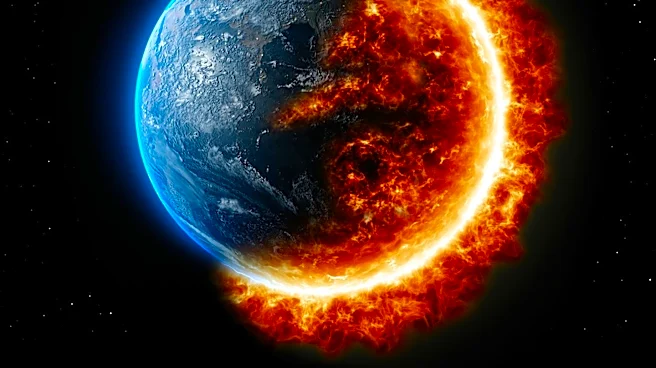
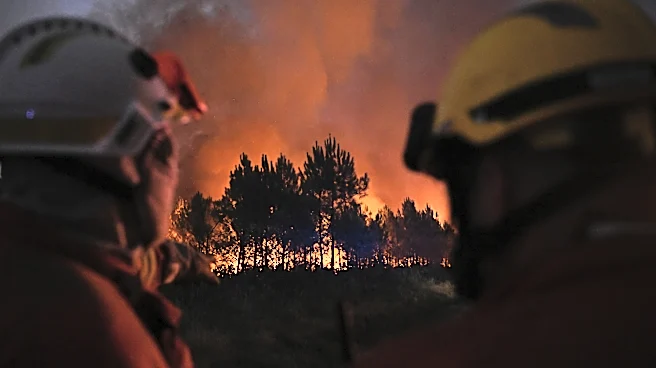
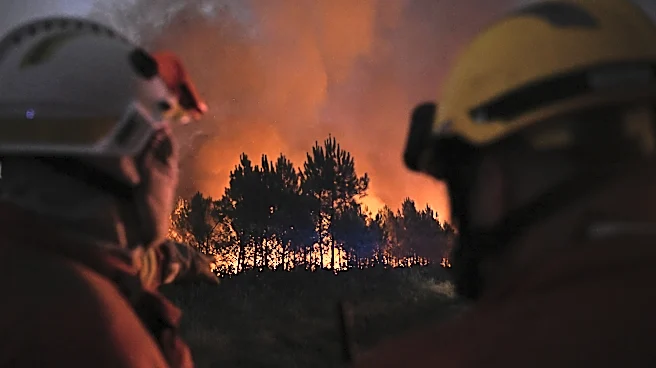
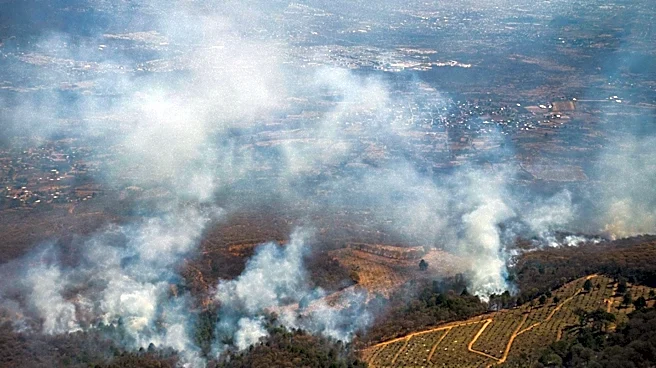
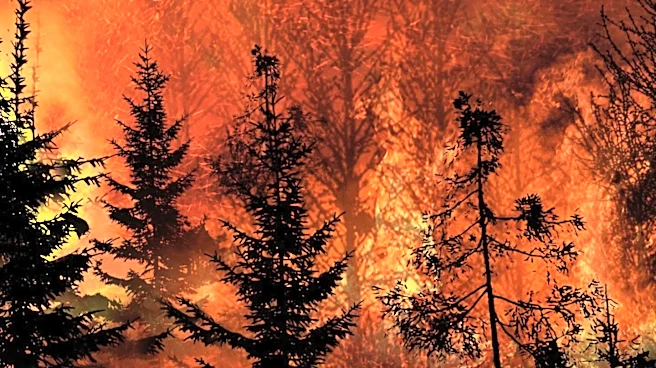
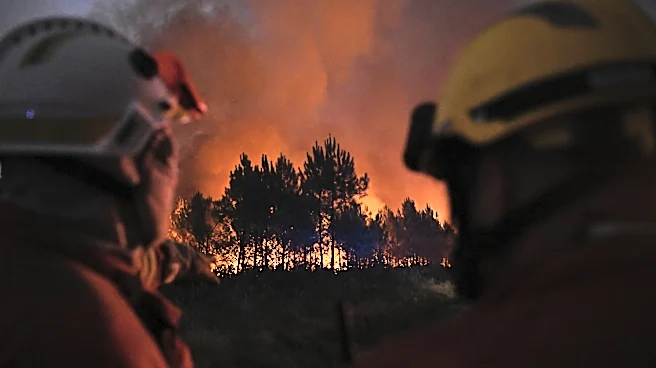
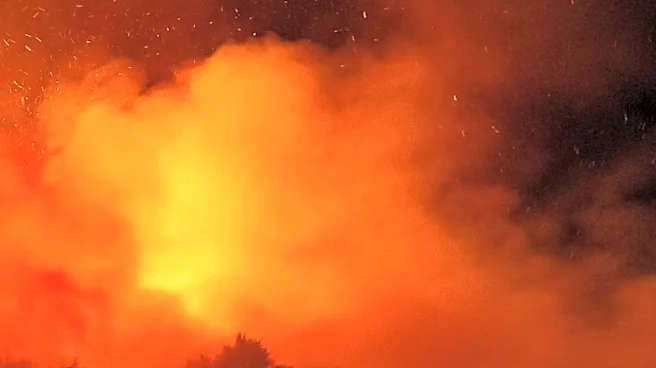
Wildfires in France and Spain have intensified due to climate change, with severe conditions affecting southwestern France and central Spain. The fires have burned vast areas, including the Gironde department in France and multiple regions in Spain, leading
to large-scale evacuations. Human-caused climate change has increased the likelihood of extreme fire weather, with high temperatures and drought conditions exacerbating the situation. The fires have destroyed homes and threatened economic activities, particularly in tourist areas.
Why It's Important?
The wildfires underscore the growing impact of climate change on natural disasters, highlighting the need for effective fire management and prevention strategies. The destruction of homes and displacement of residents pose significant challenges for affected communities, while the economic impact on tourism and agriculture could have long-term consequences. The situation calls for increased investment in climate adaptation measures and cross-border cooperation to enhance disaster response capabilities.
What's Next?
Authorities are working to contain the fires and facilitate the return of evacuees, but ongoing heat waves and drought conditions pose challenges. The European Union may need to reassess its climate policies to address the increasing frequency and intensity of such events. Efforts to improve landscape management and diversify forest species could help reduce future fire risks.
Beyond the Headlines
The fires highlight the need for sustainable land management practices and the importance of addressing climate change at a global level. The phenomenon of 'weather whiplash,' characterized by wet winters followed by dry summers, is becoming more common, increasing wildfire risks. As climate change continues to alter weather patterns, Europe must adapt its policies and infrastructure to mitigate the impacts of extreme weather events.