




What's Happening?
The U.S. Forest Service's decision to allow chainsaws in Idaho's Frank Church-River of No Return Wilderness has sparked debate among wilderness advocates. While some fear this could erode wilderness protections, trail workers argue for the practicality
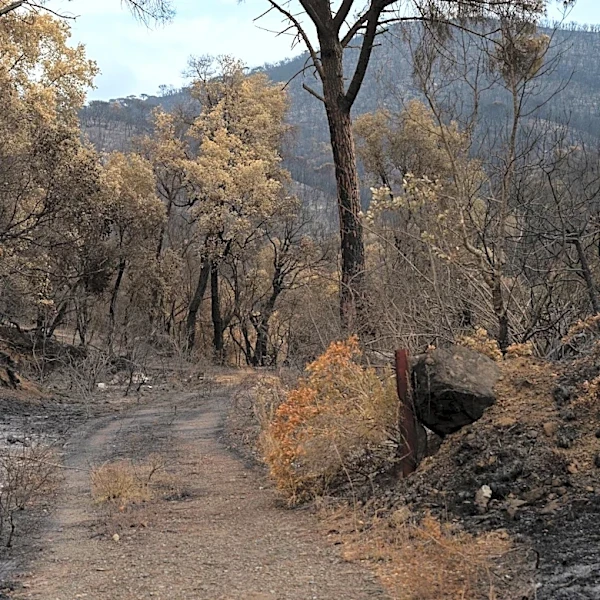
of chainsaws in maintaining trails. The Wilderness Act prohibits motorized equipment, but increasing deadfall due to climate change and limited resources have made trail maintenance challenging. The Forest Service's decision aims to balance accessibility with conservation, but it has raised concerns about setting precedents for wilderness management.
Why It's Important?
This debate underscores the challenges of managing wilderness areas in the face of climate change and resource constraints. The use of chainsaws could improve trail accessibility, supporting public enjoyment and safety. However, it also raises questions about the integrity of wilderness protections and the potential for increased human impact. The decision reflects broader tensions in conservation policy, where practical needs must be weighed against preserving natural conditions. The outcome could influence future policies on wilderness management and the use of technology in conservation efforts.