






What's Happening?
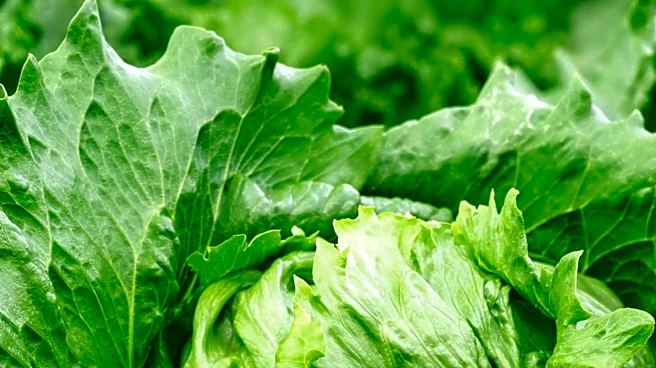
As Cyclospora cases rise across the U.S., concerns about produce safety have led some consumers to consider buying local as a safer option. Massachusetts has reported 18 cases, with the outbreak linked to iceberg lettuce from Taylor Farms, possibly imported
from Mexico. Experts suggest that while local produce may offer some safety advantages due to strict U.S. regulations, factors like water quality and sanitation practices are more critical than geography. Cyclospora, a parasite spread through contaminated food or water, is not common in the U.S. environment, often associated with international travel.
Why It's Important?
The outbreak highlights the complexities of food safety in a global supply chain. While local produce might seem safer, the real determinants of safety are the practices employed in growing and handling produce. This situation underscores the need for stringent safety standards and transparency in food production. For consumers, it emphasizes the importance of being informed about the origins and handling of their food, potentially influencing shopping habits and increasing demand for locally sourced produce.
What's Next?
Consumers may increasingly seek information about the safety practices of local farms, potentially boosting demand for locally grown produce. Regulatory bodies might enhance oversight and safety protocols for imported produce to prevent future outbreaks. Public health campaigns could focus on educating consumers about safe food handling practices. The agricultural industry may also invest in improved sanitation technologies to mitigate contamination risks.
Beyond the Headlines
The outbreak could lead to broader discussions about food security and the resilience of local food systems. It may prompt a reevaluation of the balance between global trade and local food production, with potential policy implications for agricultural practices and food safety regulations. This situation also highlights the interconnectedness of public health and agricultural practices, emphasizing the need for integrated approaches to food safety.