
What's Happening?
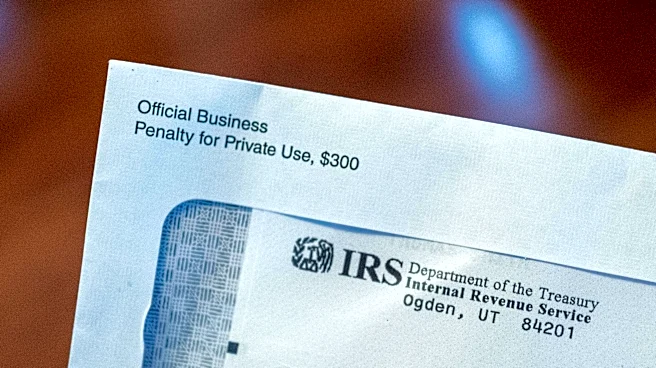
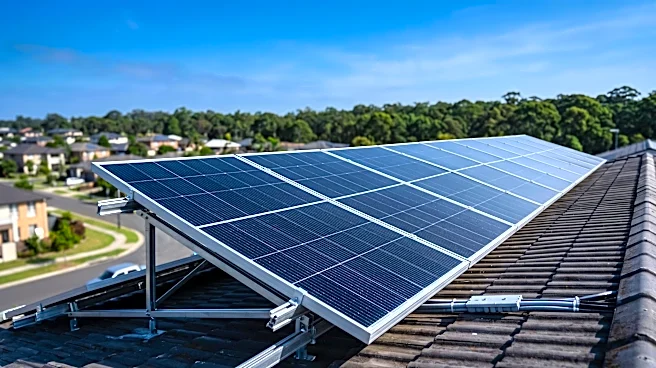
Homeowners considering buying out their leased solar panel systems in 2026 will not be eligible to claim the 30% Federal Solar Tax Credit on the purchase price. This is due to several Internal Revenue
Code (IRC) guidelines and recent legislative changes. Firstly, the tax credit was already claimed by the leasing company when the solar panels were originally installed, as they were the commercial owner. The IRS prohibits claiming multiple federal tax credits on the same solar energy system. Secondly, federal tax credits require the equipment to be new and installed for the first time; a system already on a roof is considered used equipment, which is ineligible. Lastly, Section 25D, which provided residential solar tax credits, expired for equipment placed in service after December 31, 2025, under the One Big Beautiful Bill Act. Therefore, even a brand-new system installed by a homeowner in 2026 would not qualify for this specific credit.
Why It's Important?
This ruling has significant implications for homeowners with leased solar systems who might be looking to gain full ownership. The inability to claim the federal tax credit on a lease buyout removes a potentially large financial incentive, which could alter the economic viability of such transactions. It clarifies that the federal government's incentive structure is designed to encourage the initial deployment of new renewable energy infrastructure, not the transfer of ownership of existing systems. This policy impacts the real estate market, as homeowners selling properties with leased solar systems often face complexities that a buyout could resolve. Without the tax credit, the financial calculus for a buyout shifts, requiring homeowners to weigh the benefits of eliminating lease escalators and simplifying property sales against the direct cost of the buyout without federal subsidy. This also highlights the distinct tax treatments for direct ownership versus third-party ownership models in the solar industry.
What's Next?
Homeowners considering a solar lease buyout in 2026 and beyond will need to evaluate the financial benefits based solely on factors like eliminating lease escalator clauses, simplifying real estate transactions, and gaining full control over their energy production, without the expectation of a federal tax credit. They can still explore state-level, municipal, and utility incentives, such as Solar Renewable Energy Certificates (SRECs) in applicable states like New Jersey or Maryland, and property tax exemptions. It is crucial for homeowners to request official buyout quotes, review equipment warranties, and compare the buyout cost against future electricity bills and remaining lease obligations. Consulting with a certified CPA or tax professional is recommended to understand the full financial implications and available state-specific alternatives. The market may see a continued preference for direct ownership models from the outset, given the expiration of Section 25D for new residential systems.
Beyond the Headlines
The IRS's stance on solar lease buyouts reflects a broader regulatory principle against 'double-dipping' on federal incentives and incentivizing only new installations. This approach shapes the financial landscape for solar adoption, potentially pushing consumers towards direct ownership or loan-based financing from the start, rather than leasing. It also underscores the importance of understanding the long-term implications of solar financing agreements. For the solar industry, this clarity might lead to a re-evaluation of lease product offerings and a greater emphasis on purchase options. From a policy perspective, it highlights the government's intent to stimulate new renewable energy capacity rather than subsidize secondary market transactions. This could also influence how solar systems are valued in real estate transactions, as fully owned systems will continue to offer distinct advantages over leased ones, particularly in terms of property value and ease of sale.