


What's Happening?
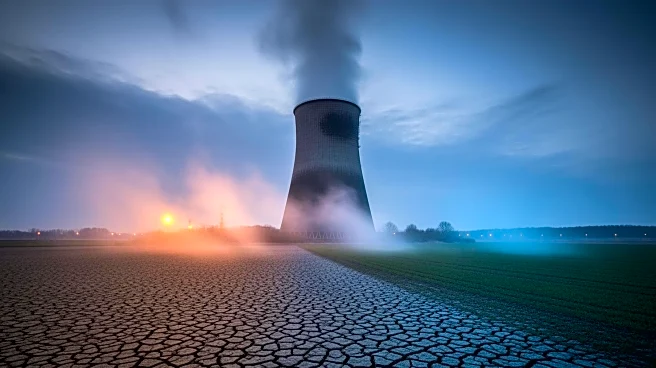
New York is experiencing rising energy costs and environmental challenges following the closure of the Indian Point Energy Center, a nuclear power plant that previously supplied 25% of the electricity to New York City and Westchester County. The plant was
closed in 2021 due to opposition from environmental activists and political figures, including former Governor Andrew Cuomo. Critics argue that the closure was a strategic mistake, as it has led to increased reliance on natural gas, which now accounts for half of the state's electricity generation, up from 39% in 2017. This shift has resulted in higher carbon emissions, complicating New York's decarbonization goals. The closure has also led to higher electricity prices and concerns about grid reliability, particularly in downstate areas.
Why It's Important?
The closure of Indian Point has significant implications for New York's energy landscape and environmental policy. The increased reliance on natural gas has not only raised electricity costs but also undermined efforts to reduce carbon emissions, a key objective of the state's Climate Leadership and Community Protection Act. This situation highlights the challenges of transitioning to green energy sources while maintaining grid reliability and affordability. The decision to close the plant has sparked debate over the balance between environmental safety and energy needs, with critics pointing to the lack of a comprehensive plan to replace the lost nuclear capacity. The situation underscores the complexities of energy policy and the need for careful planning to achieve sustainable energy goals.
What's Next?
In response to the challenges posed by the closure of Indian Point, New York is exploring alternative energy sources to meet its electricity needs. Governor Kathy Hochul has proposed bringing hydro power from Quebec to New York City via transmission lines as a potential solution. However, this plan requires significant infrastructure development and may face delays. Additionally, there is ongoing discussion about the potential for new nuclear generators upstate, although these would be located far from the metro area, necessitating further investment in transmission infrastructure. The state must navigate these options carefully to ensure a reliable and sustainable energy future.
Beyond the Headlines
The closure of Indian Point raises broader questions about the role of nuclear energy in achieving climate goals. While nuclear power is a zero-emissions energy source, concerns about safety and waste management have led to its decline in some regions. The situation in New York illustrates the trade-offs involved in energy policy decisions and the importance of considering long-term environmental and economic impacts. The debate over Indian Point also reflects broader tensions between political decision-making and technical expertise in energy planning, highlighting the need for informed and balanced approaches to energy transitions.